Q1: Can you customize the diameter and height of the cylinder screen to match a specific product mockup, and what is the minimum diameter?
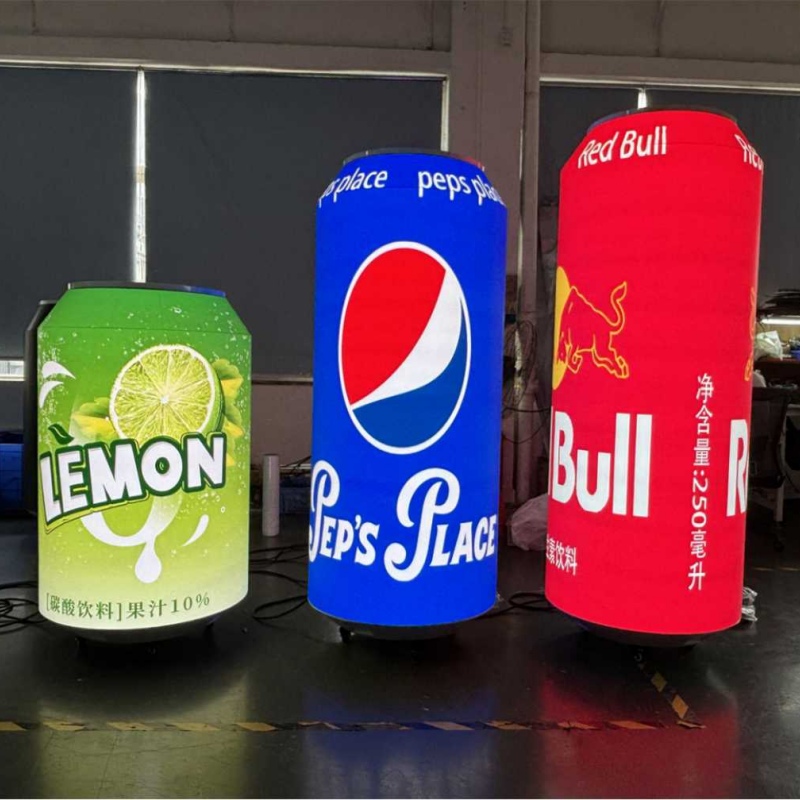
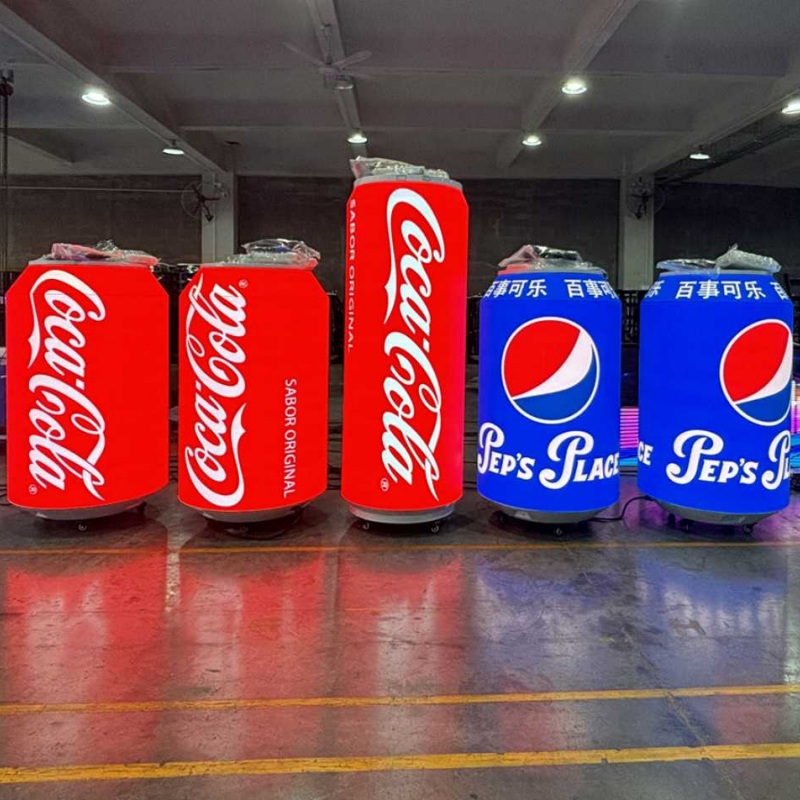
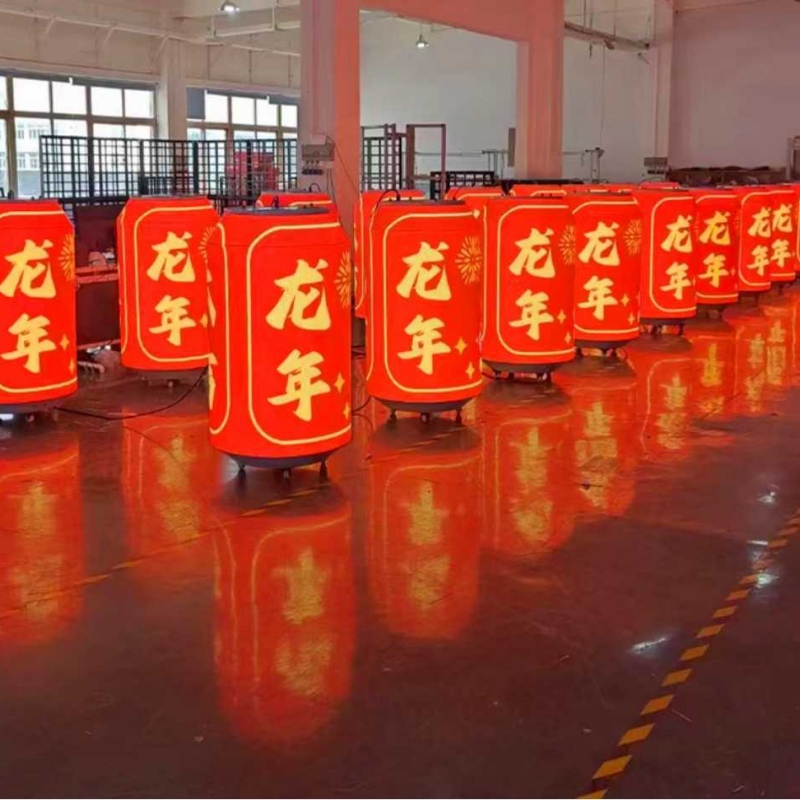
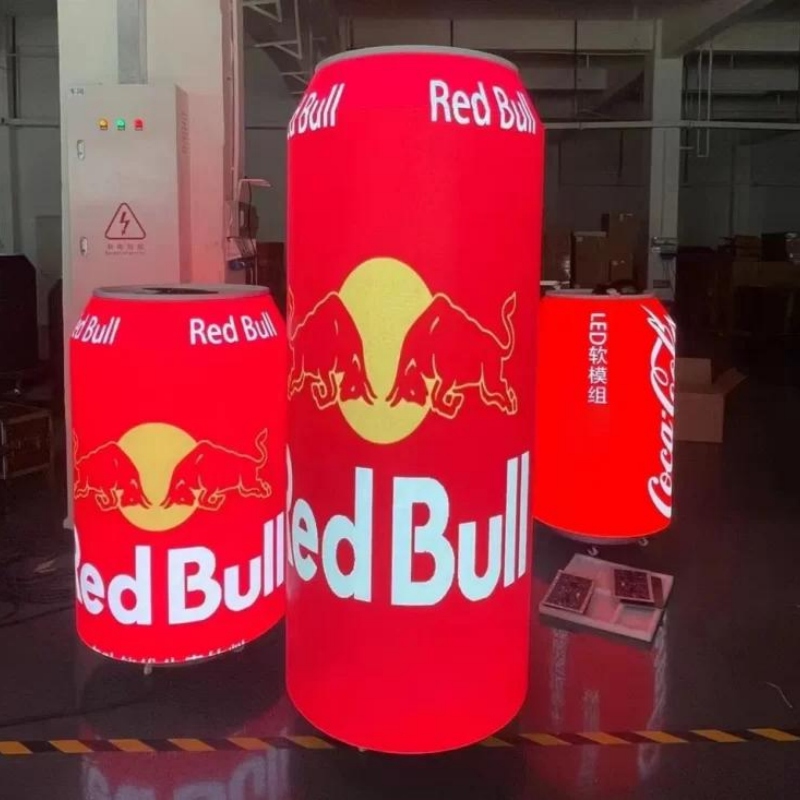
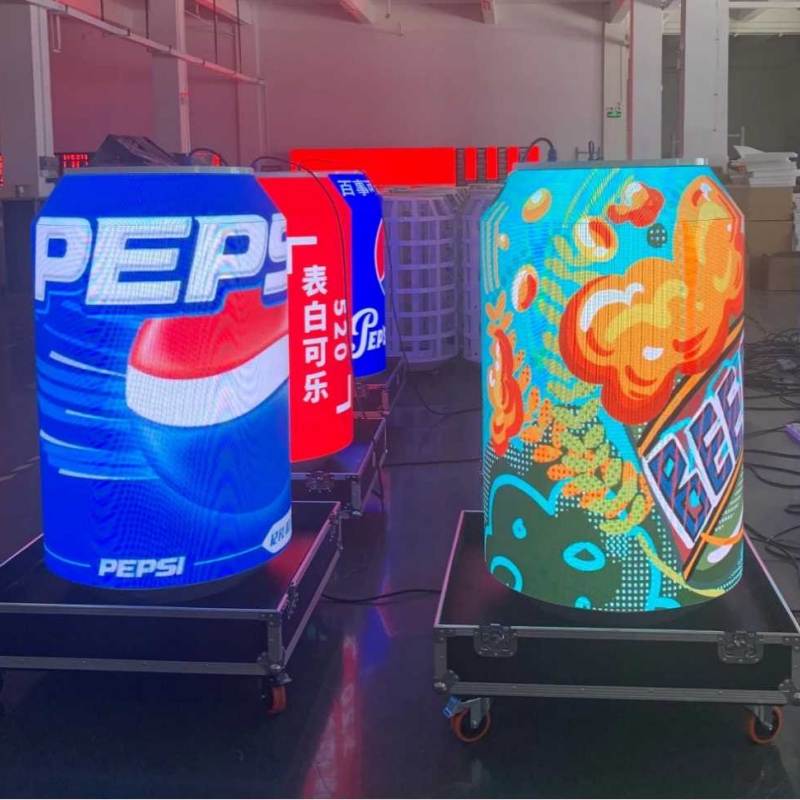
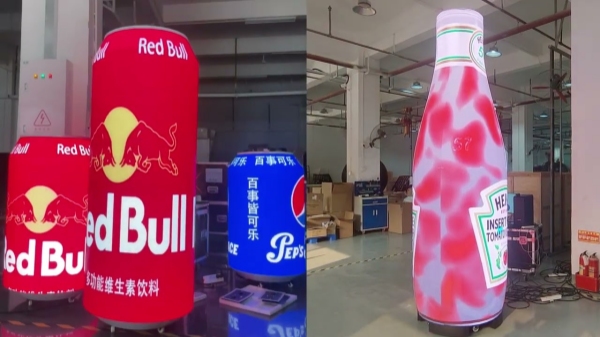
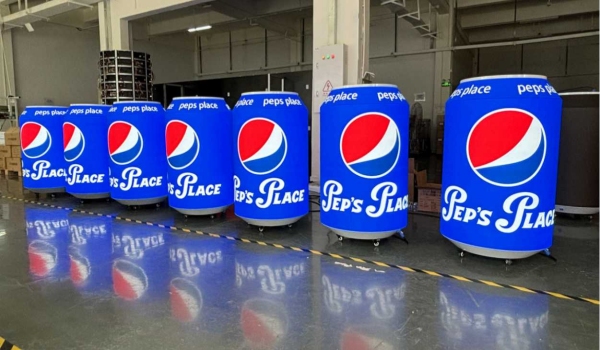
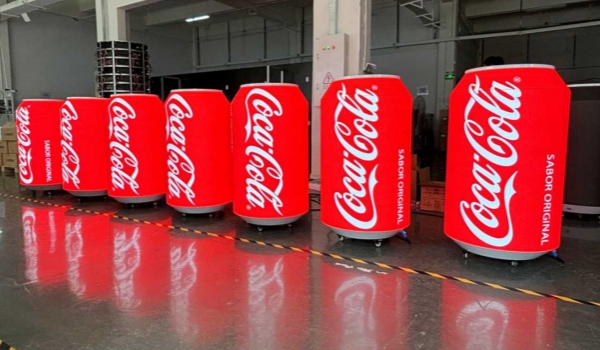
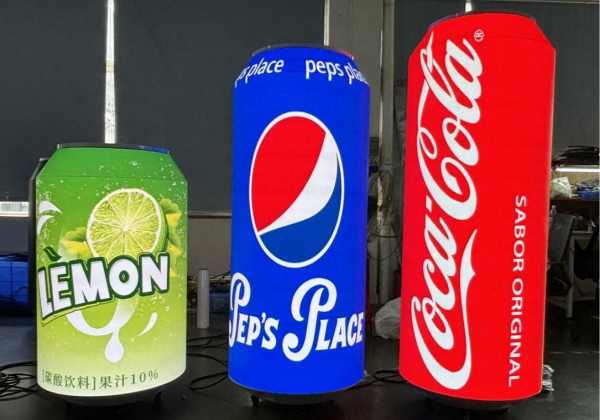
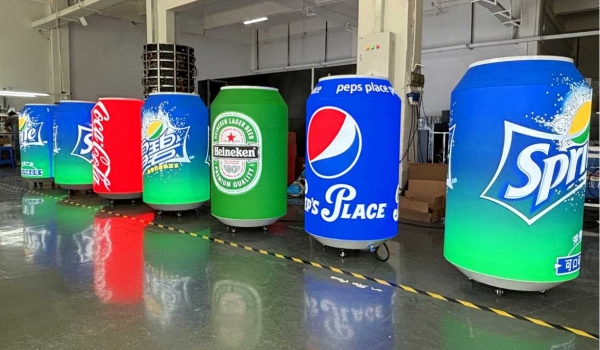
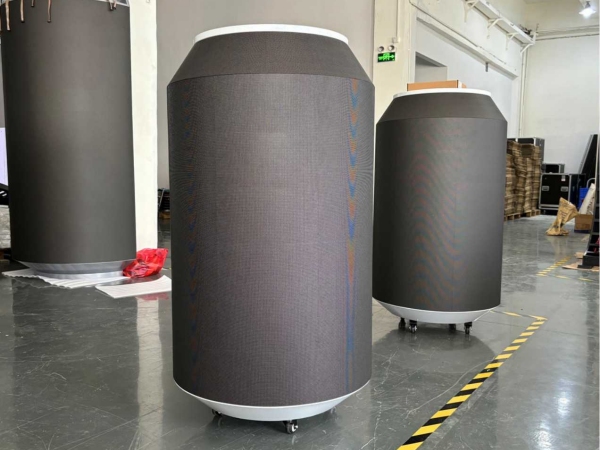
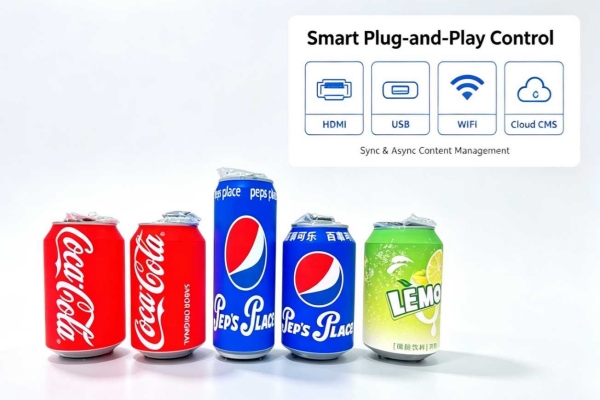
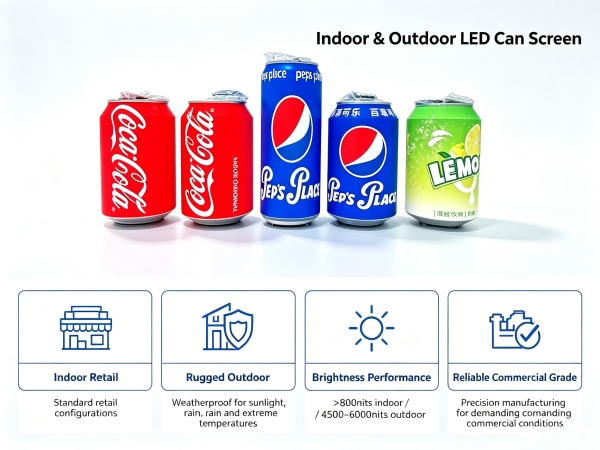
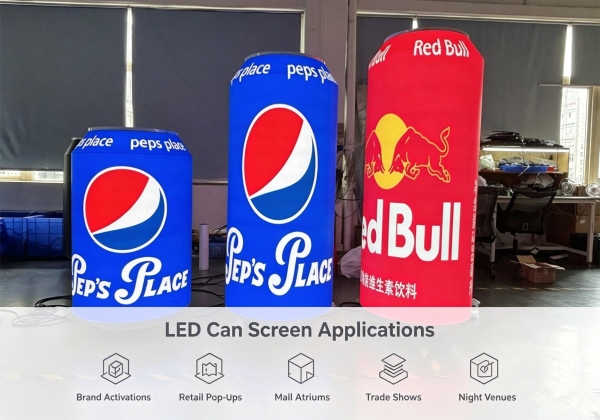
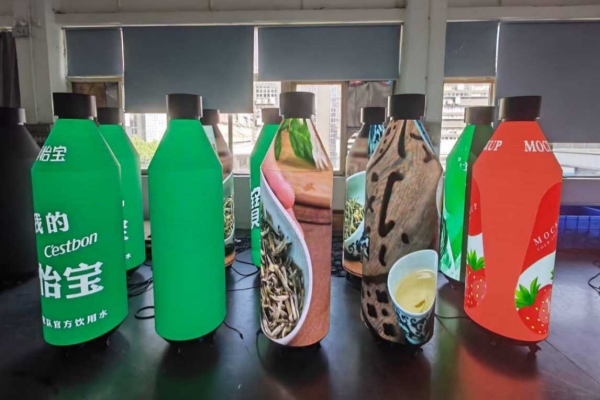
A: Yes. We specialize in custom structural engineering. We can tailor the diameter, height, and overall proportions to replicate specific consumer goods (such as beverage cans, energy drink bottles, or cosmetic packaging). Our flexible module technology allows us to achieve diameters as small as 305mm without compromising image alignment or structural integrity.
Q2: How does the internal refrigerator feature work, and what is the temperature range?
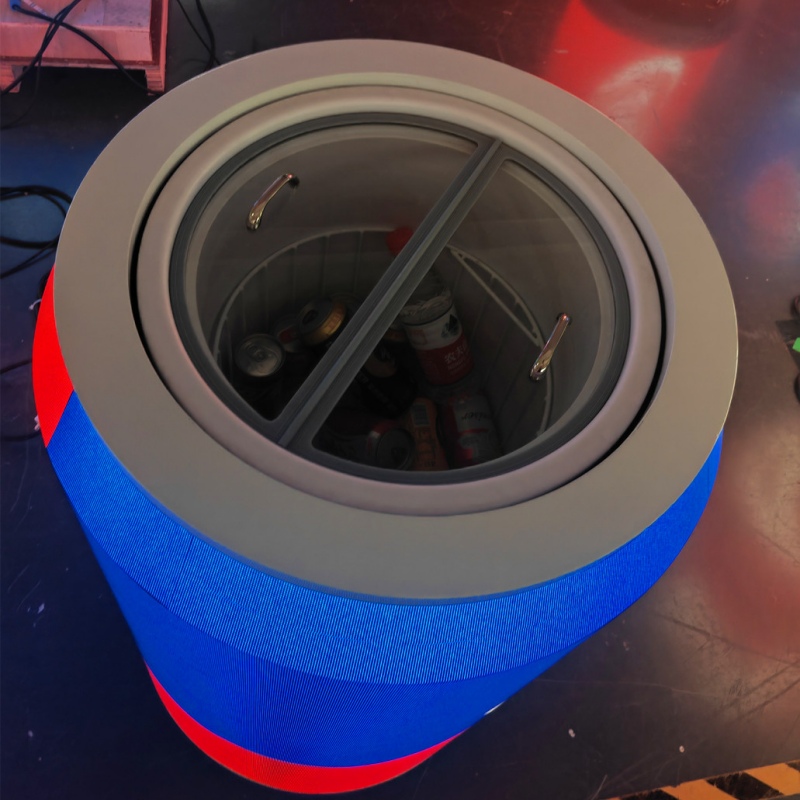
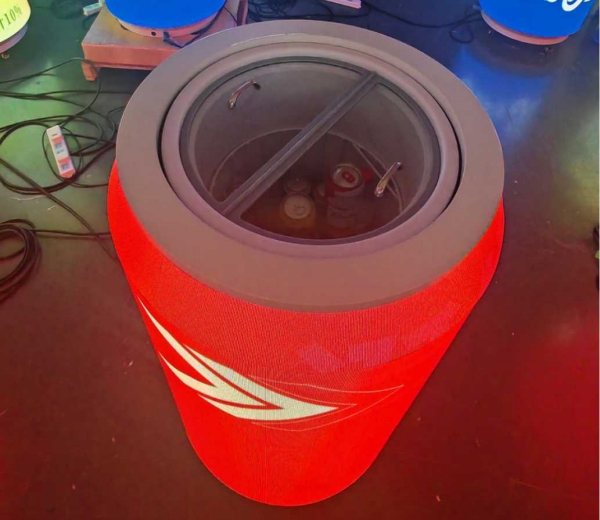
A: Select models feature a built-in commercial-grade refrigeration compartment engineered inside the cylinder base or core. It maintains a stable, adjustable temperature range of 5°C to 10°C, allowing brands to store and dispense chilled beverages directly from the interactive display unit during promotional events.
Q3: Are these cylinder displays available for outdoor use, and how do they handle weather and sunlight?
A: We offer both indoor and outdoor versions. Outdoor models feature high-brightness output (4500 - 6000nits), waterproof IP65-rated housing, anti-UV protective coatings, and advanced thermal management to withstand direct sunlight, heavy rain, and dust.
Q4: For a retail storefront where customers stand within 1 to 2 meters, which pixel pitch should we choose (P1.8, P2, or P2.5)?
A: For close-range indoor viewing (1–3 meters), we strongly recommend P1.8 or P2. These high-density pixel pitches ensure that text, fine product details, and high-definition 3D animations appear razor-sharp and crystal clear, even when viewed up close by foot traffic.
Q5: How do you eliminate vertical seams between curved modules to ensure a continuous 360-degree video tube?
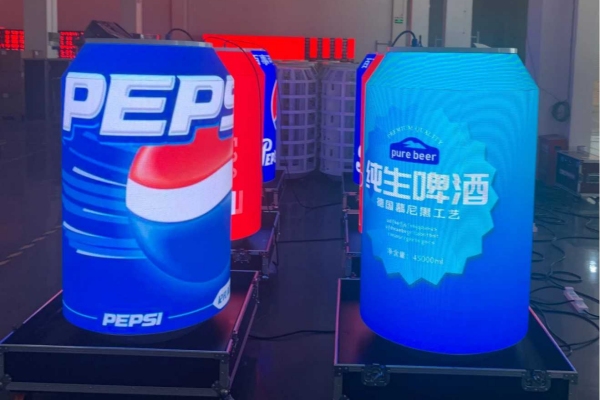
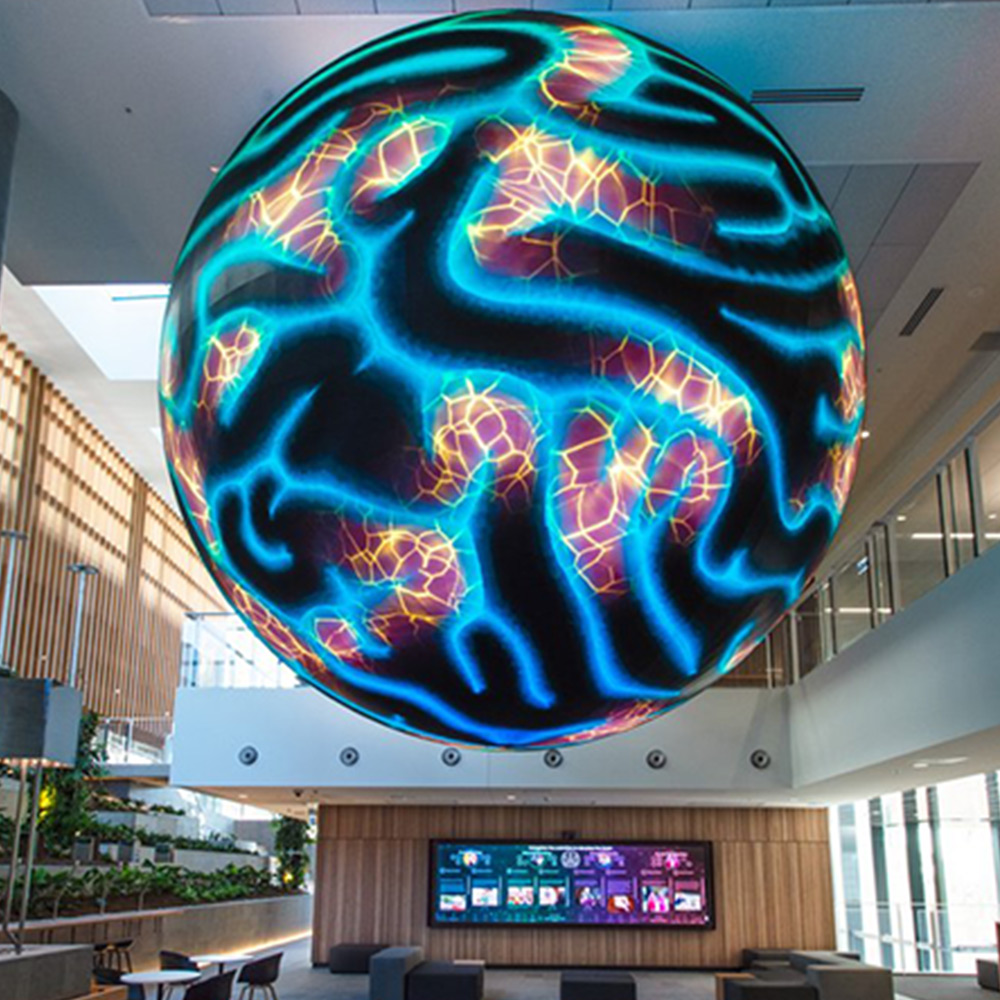
A: We utilize high-precision magnetic soft LED modules combined with CNC-machined aluminum curved cabinet rings. This engineering precision eliminates dark vertical seams or pixel gaps, presenting a completely seamless, fluid 360-degree panoramic visual experience.
Q6: Standard video files are rectangular (16:9). How do we format video content for a 360-degree cylinder without stretching?
A: Cylindrical screens require 360-degree panoramic mapping (equirectangular format or custom aspect ratios matching the pixel resolution circumference). We provide standard video formatting templates, mapping guidelines, and technical support to ensure your 3D animations wrap around the cylinder perfectly without distortion.
Q7: Is the cylinder display designed to stand upright on the floor, or does it require ceiling suspension?
A: Most units (especially refrigerator-integrated models) are engineered as floor-standing models equipped with heavy-duty leveling feet and hidden caster wheels for easy mobility. Weight varies depending on the refrigerator integration and size, typically ranging from 120 kg to 250 kg.
Q8: Since the LEDs are wrapped in a closed cylinder shape, how is routine maintenance handled?
A: Maintenance is fully optimized through front-service magnetic extraction. Technicians can use a specialized suction tool to remove individual pixel modules directly from the front surface in seconds, eliminating the need for rear access space.
Q9: Will the cylinder display show scan lines or flicker when customers record videos with their smartphones for social media?
A: No. All our cylinder LED displays are built with high-refresh-rate driving ICs (>3840Hz). This completely eliminates scanning lines, flickering, and moiré patterns when captured on smartphone cameras or broadcast equipment.
Q10: What control system do you use, and can we update playlists remotely via WiFi or cloud software?
A: We use industry-leading control hardware (Novastar and Mooncell). The system supports synchronous HDMI inputs as well as asynchronous WiFi, USB, 4G, and cloud-based CMS platforms, allowing you to update video loops and schedule campaigns remotely from anywhere in the world.