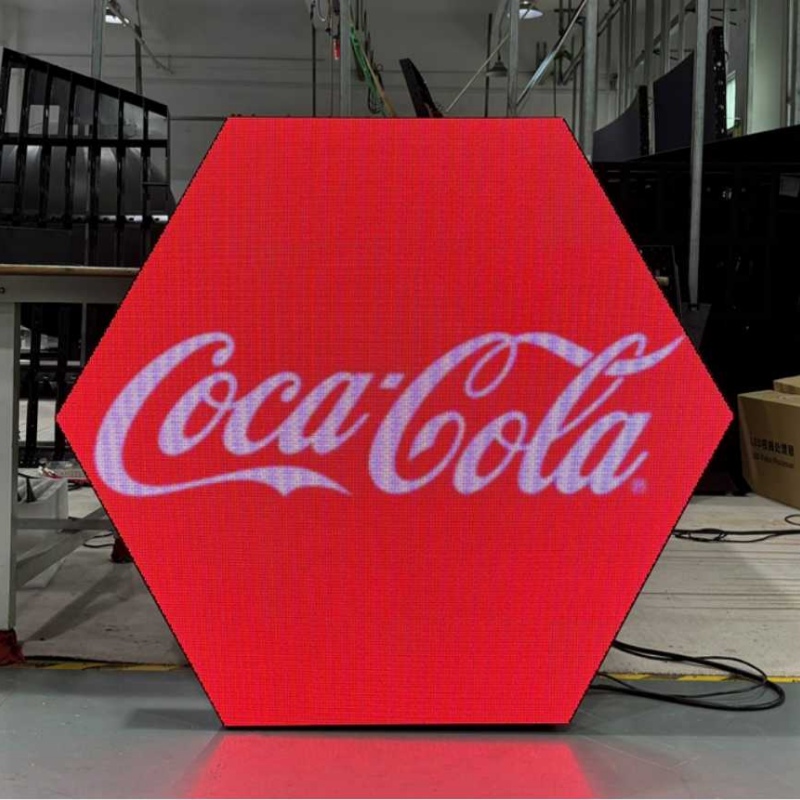
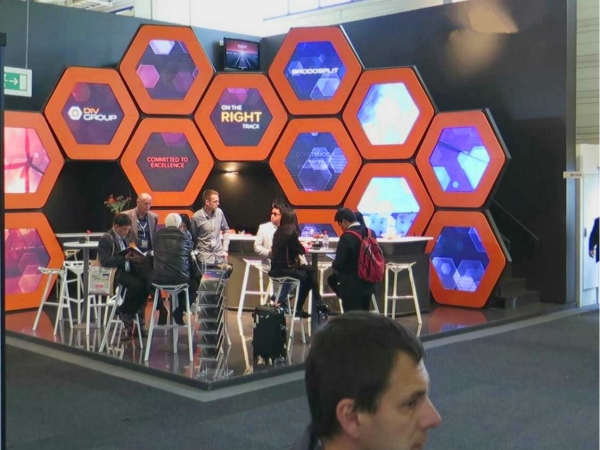
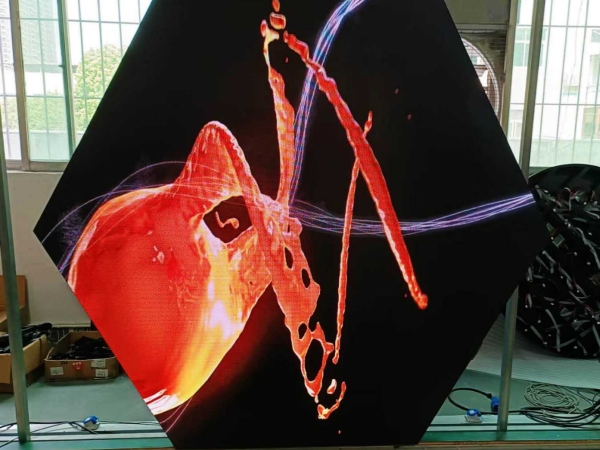
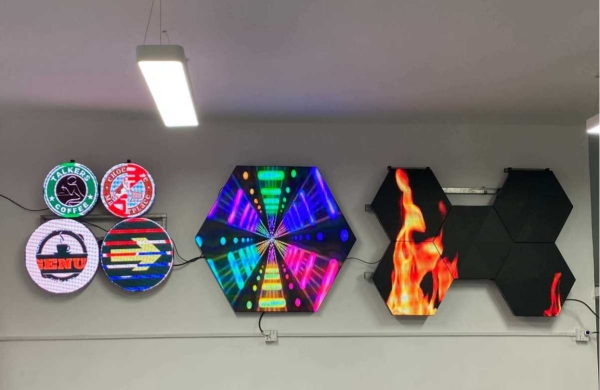
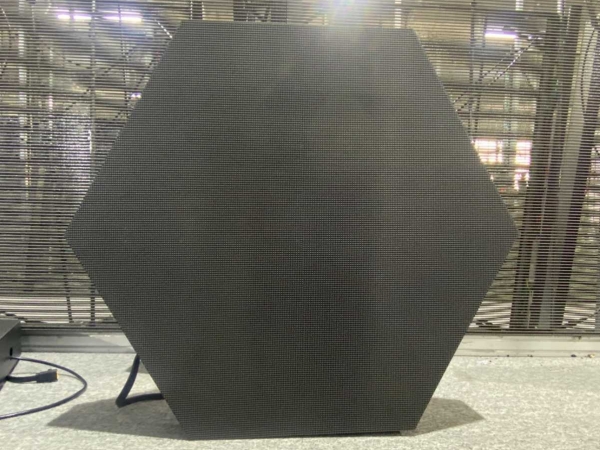
Q1: Can a single hexagon LED screen be used alone as a logo sign, and how difficult is it to splice multiple units together into a large wall?
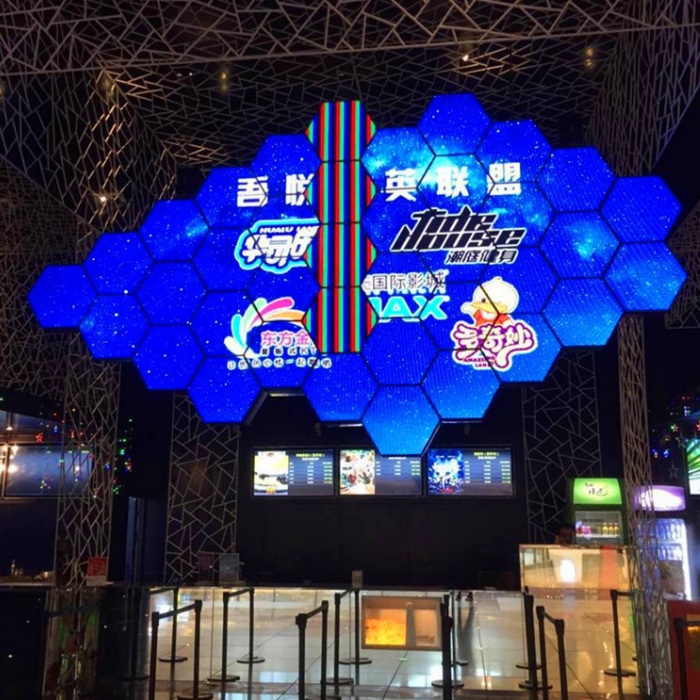
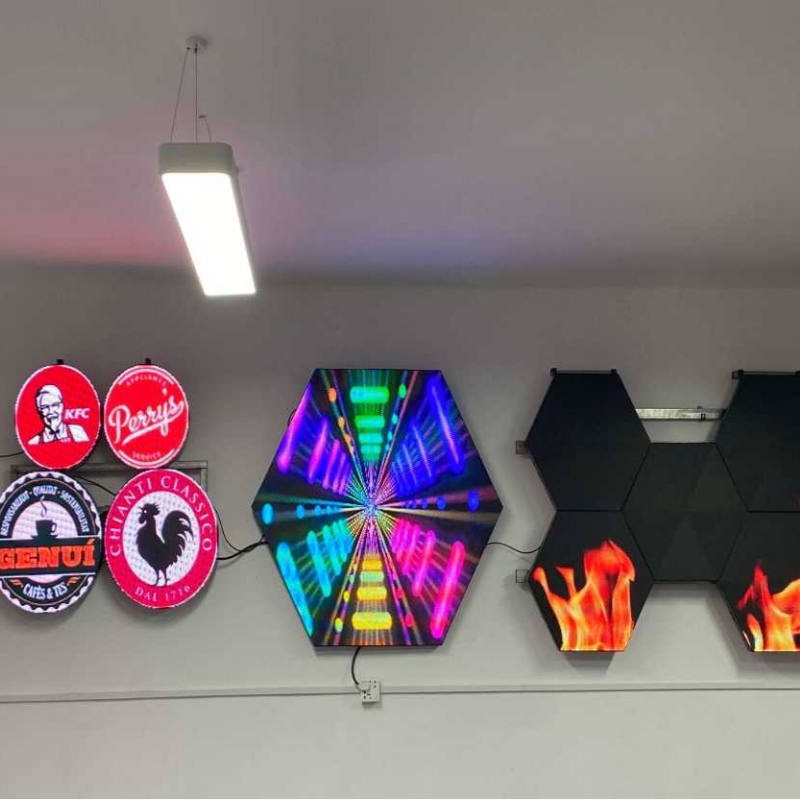
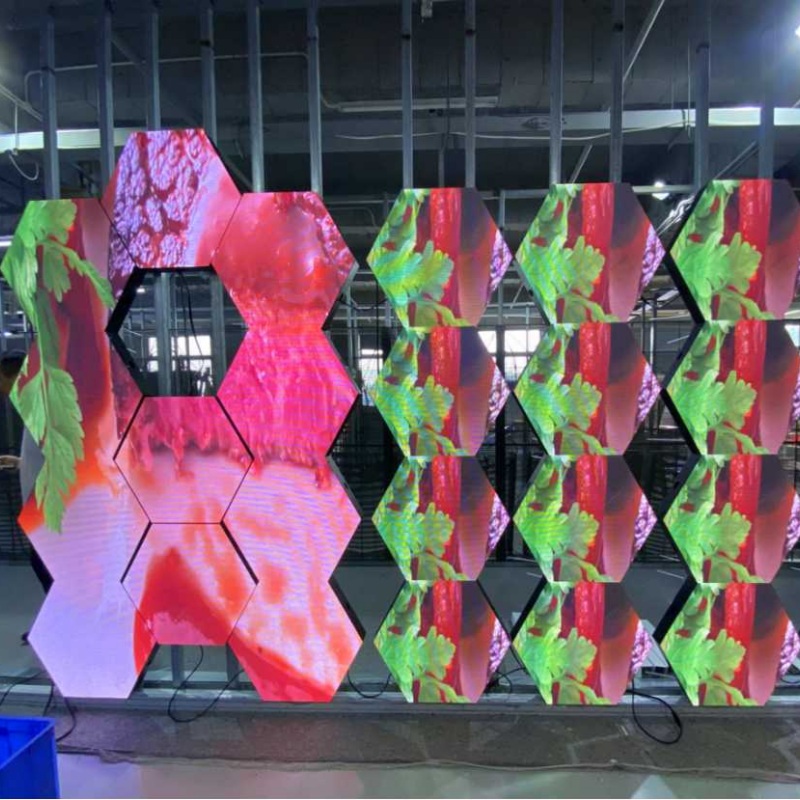
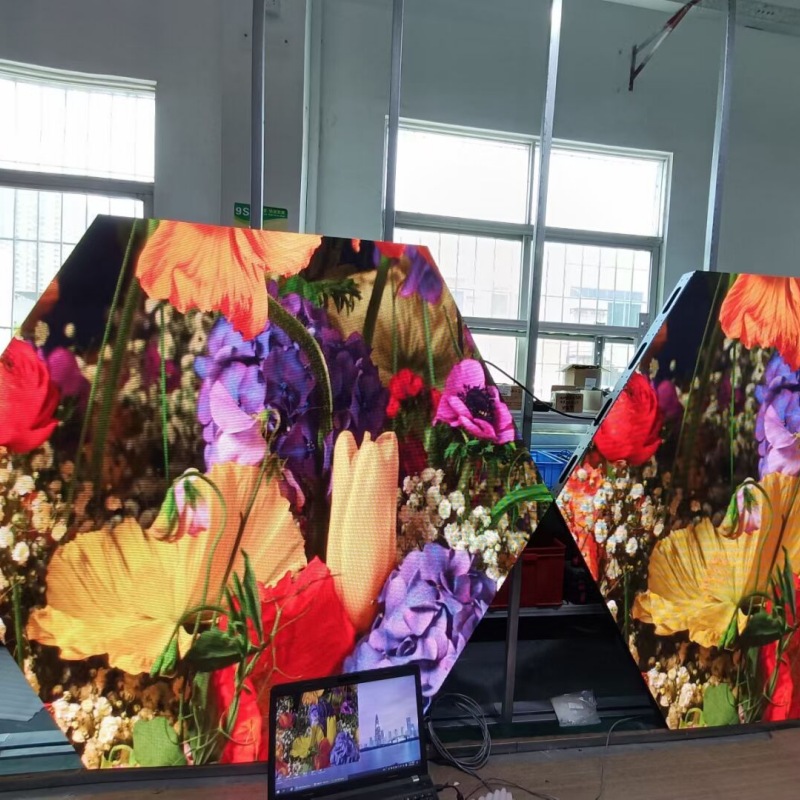
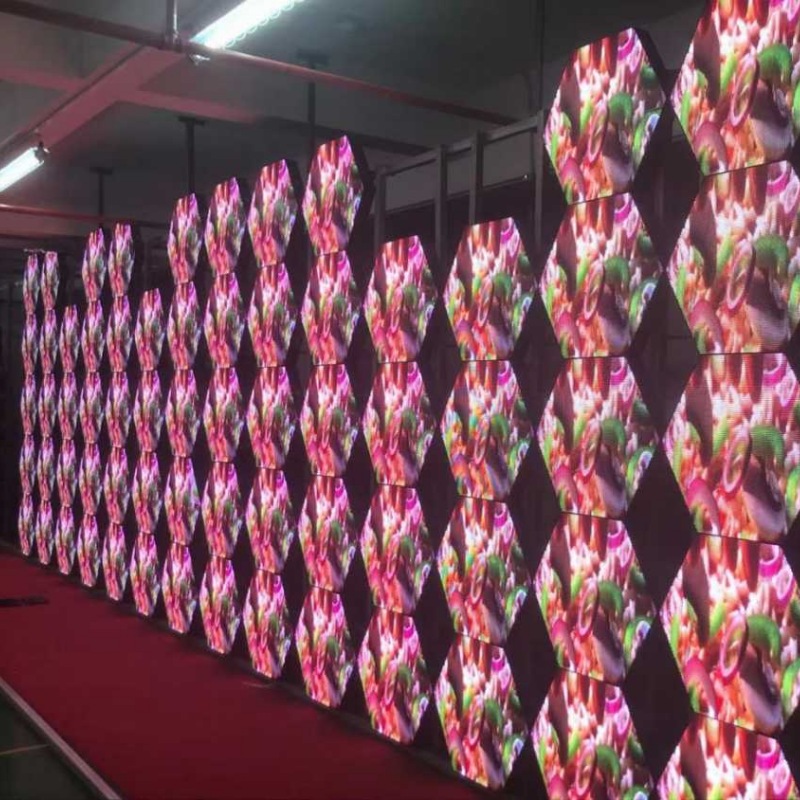
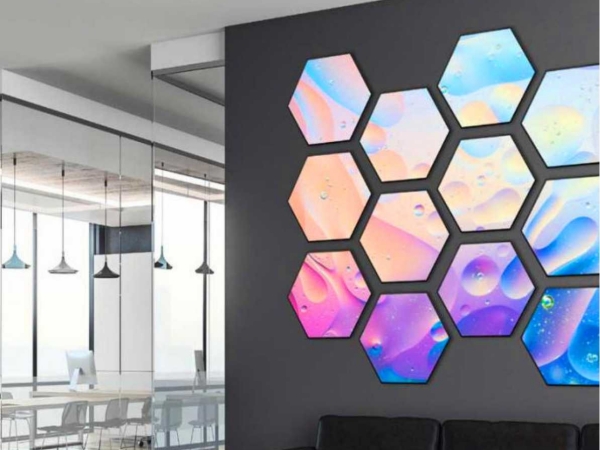
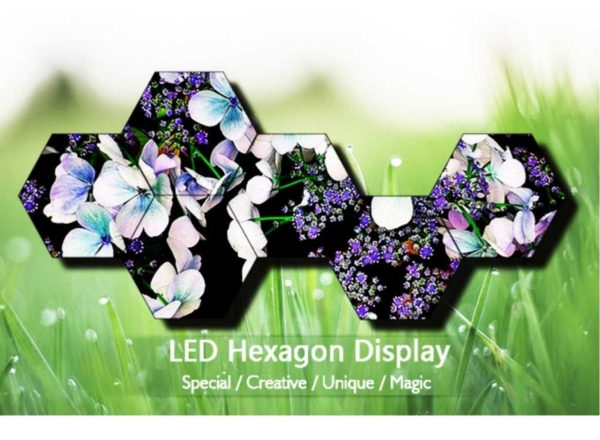
A: Yes. Each hexagon panel can operate independently as a standalone plug-and-play digital sign. When assembling a large honeycomb wall, the precision CNC iron frames align using internal alignment pins, locking together seamlessly with zero visible seams or pixel misalignment.
Q2: How does the Mooncell control system handle video mapping across unique hexagon shape layouts?
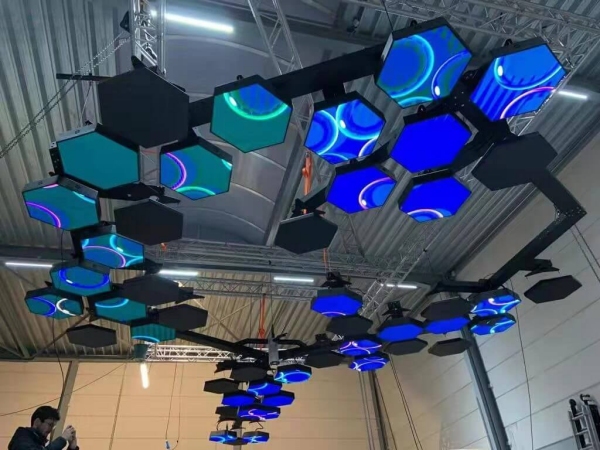
A: The Mooncell controller software features intuitive geometric frame mapping. You can map standard rectangular videos across custom hexagonal arrangements, crop video layers, or assign individual video streams to specific panels to create 3D motion visual effects effortlessly.
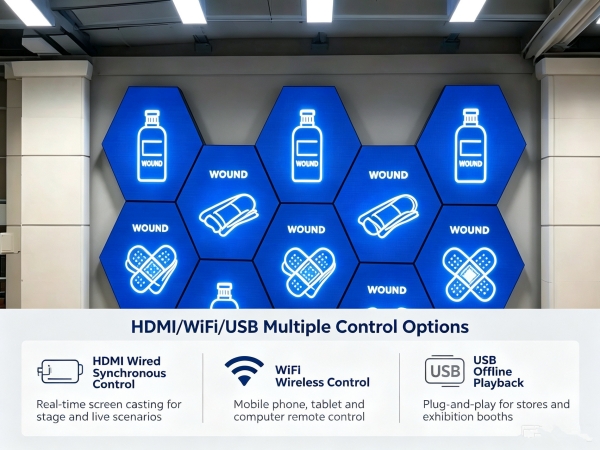
Q3: How do I send media content to the screen using WiFi, USB, or HDMI?
A: For live video feeds or gaming inputs, connect media servers via HDMI. For wireless management, upload media directly using mobile/desktop apps over WiFi. Alternatively, load video loops onto a USB flash drive for continuous plug-and-play operation.
Q4: What structural mounting method is required to install hexagon screens on a drywall or concrete background?
A: We can provide custom rear structural mounting brackets and hanging hardware. Installers mount a lightweight subframe grid or base plate onto the wall, and the hexagon cabinets lock securely onto the subframe, hiding power cables and signal wiring behind the modules.
Q5: How do I select the right pixel pitch between P1.25, P1.5, P1.8, P2, P2.5, P3, P4, and P5 for my project?
A: Base your choice on the viewing distance:
P1.25 / P1.5 / P1.8: Best for ultra-close viewing (1–2.5 meters) in high-end retail, control rooms, and museums.
P2 / P2.5 / P3: Ideal for standard indoor commercial spaces (2–5 meters) like corporate lobbies and retail stores.
P4 / P5: Cost-effective choices for large stage backdrops and nightclub walls viewed from 5+ meters away.
Q6: If an individual LED chip or module inside a spliced hexagon wall needs repair, how is it serviced?
A: Maintenance is 100% front-accessible. Using a specialized magnetic vacuum extraction tool, a technician can pull out any individual module from the front face in less than 10 seconds without dismantling surrounding panels or removing the main frame.
Q7: How are power supplies and data cables hidden when multiple hexagon displays are spliced together in a custom pattern?
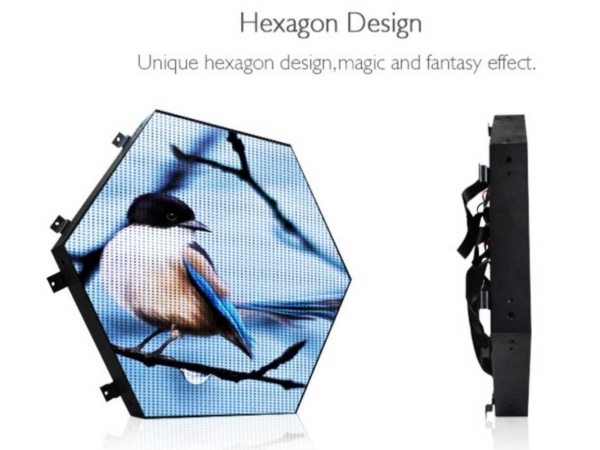
A: Power supplies and Mooncell receiving card electronics are integrated within the ultra-slim aluminum cabinet rear housing. Inter-panel daisy-chain signal cables pass internally through side wiring ports, maintaining a clean, cable-free exterior profile.
Q8: Will the display show black lines or flickering when visitors record videos using smartphones or cameras?
No. Engineered with high-refresh driving ICs (>3840Hz), our hexagon LED displays maintain flicker-free visual performance, rendering crisp graphics on camera for social media sharing, TV broadcasts, and video recordings.
Q9: Do you offer different edge lengths or custom side dimensions for the hexagon cabinets?
A: Yes. In addition to our standard side lengths, we offer complete OEM/ODM structural customization, producing tailored panel dimensions and custom geometric subframes to match specific CAD architectural layouts.
Q10: How are fragile hexagon LED panels protected against corner damage during sea or air shipping?
A: Each hexagon module is wrapped in anti-static protective film, corner-guarded with high-density EVA foam cushions, and shipped inside heavy-duty export flight cases or reinforced wooden crates, guaranteeing complete protection against impact and vibration during international freight.