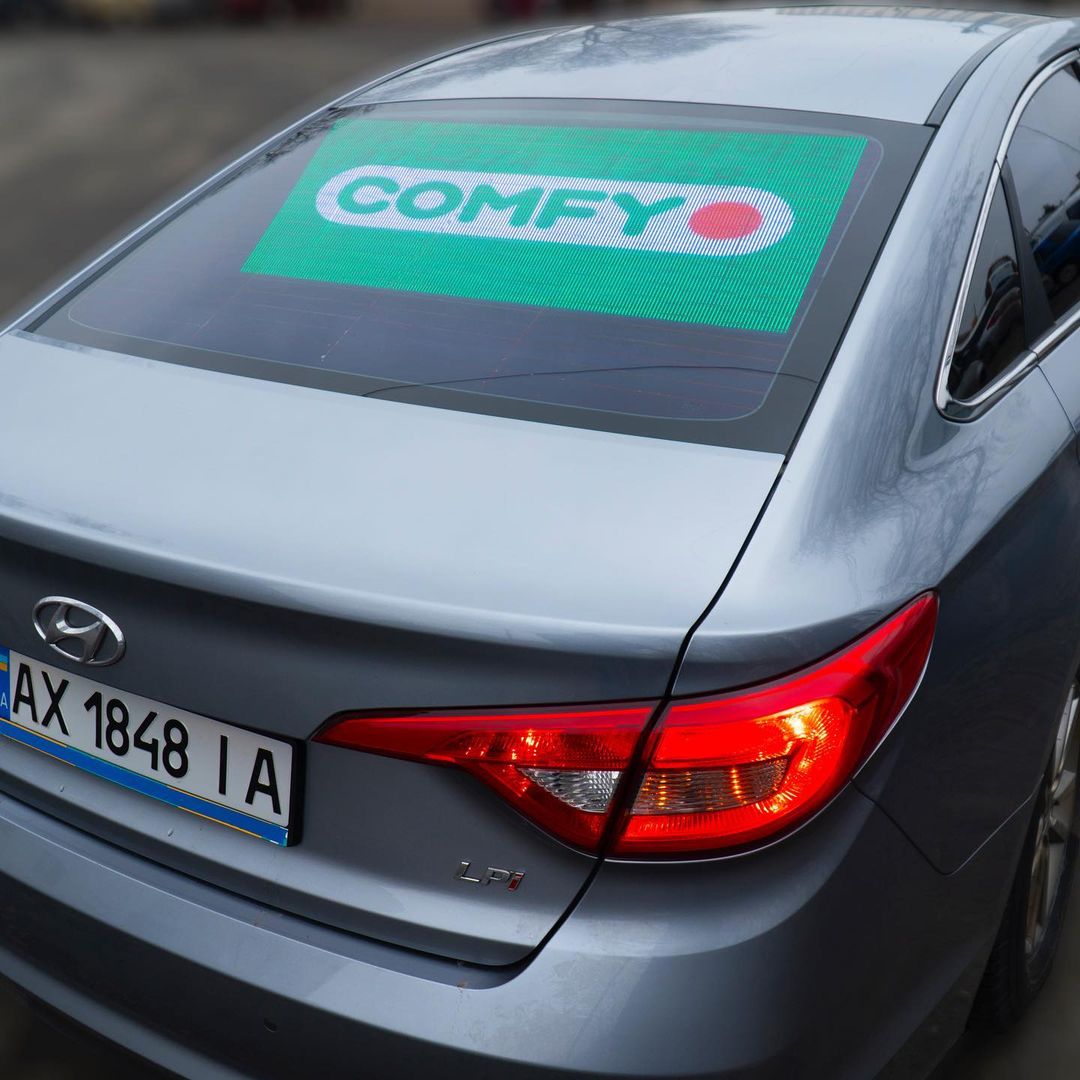
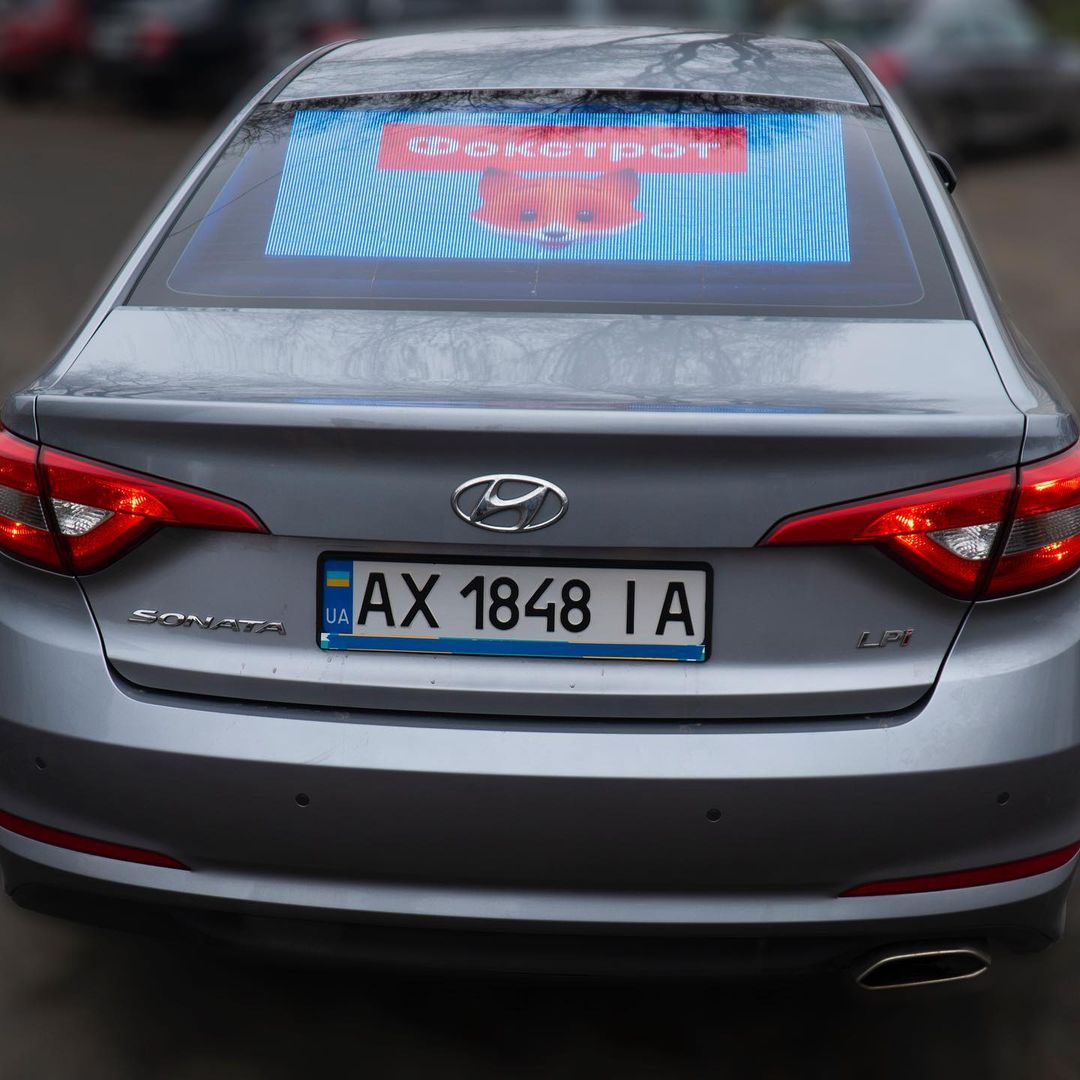
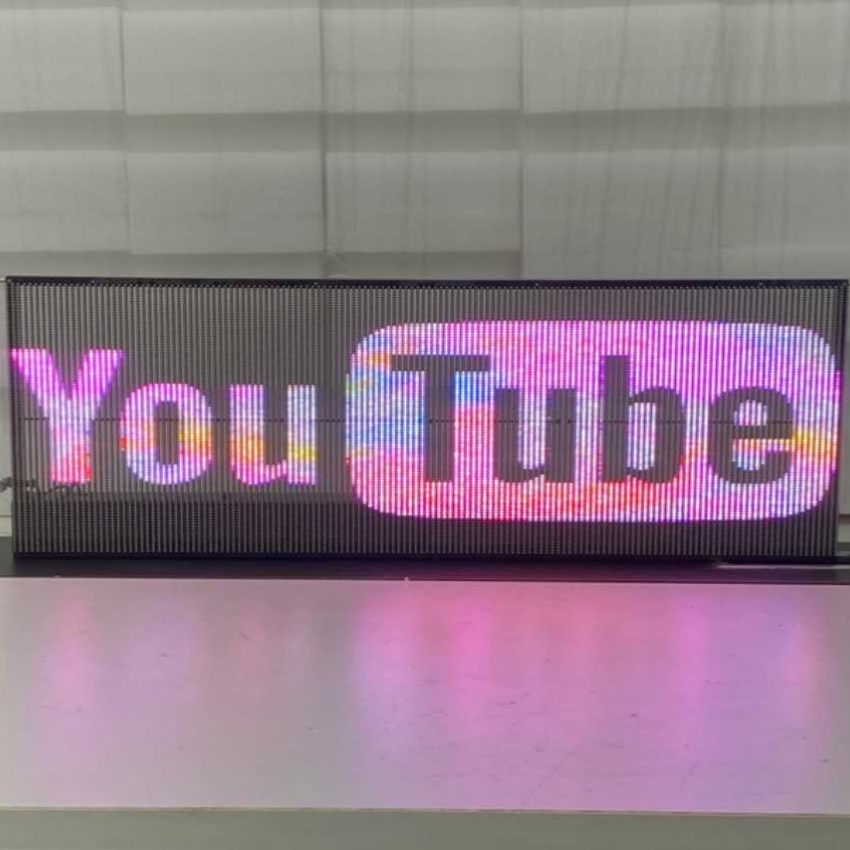
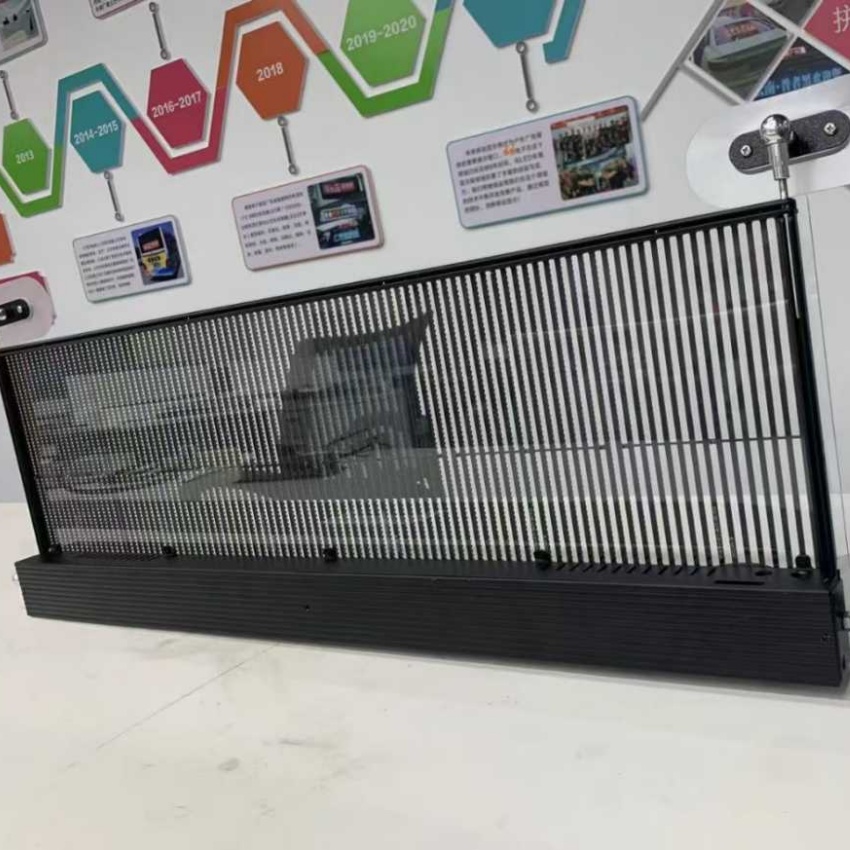
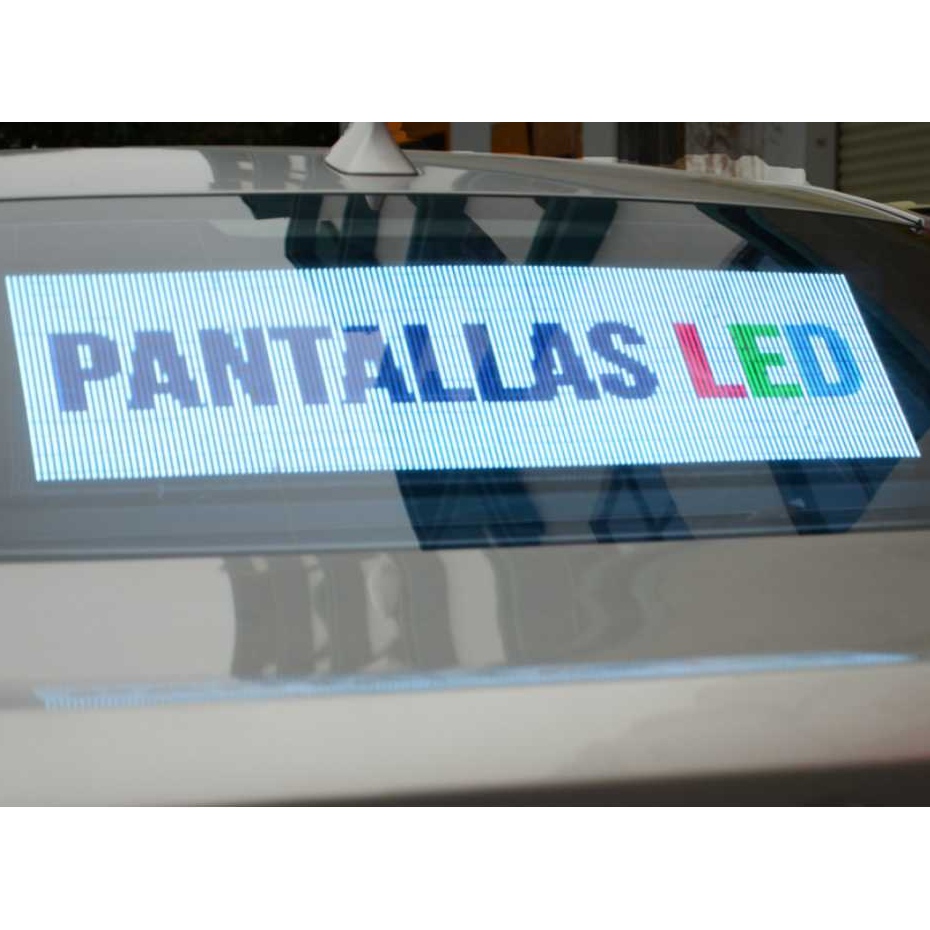
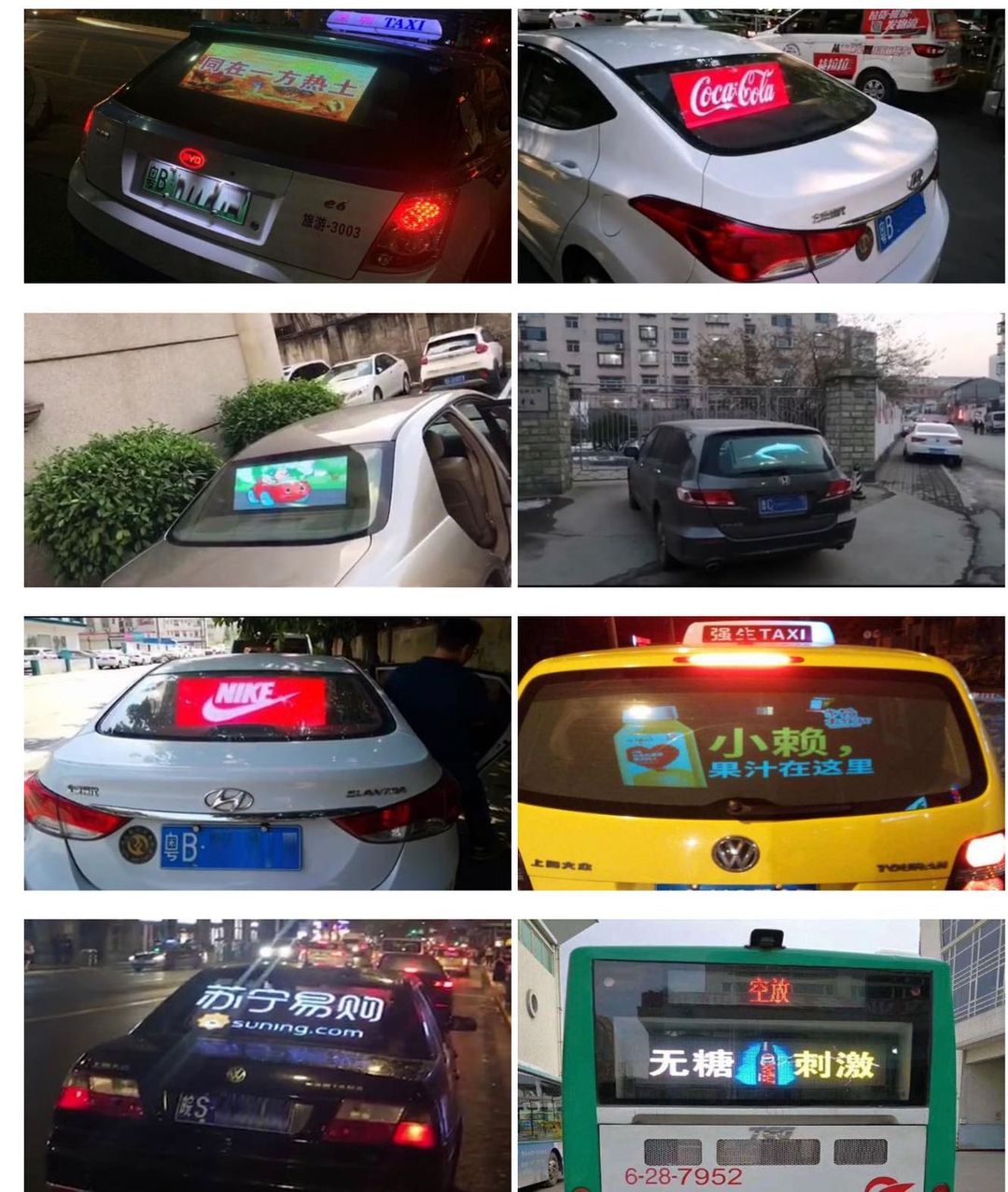
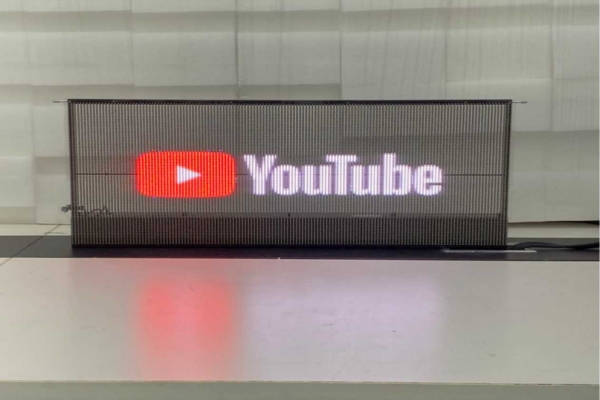
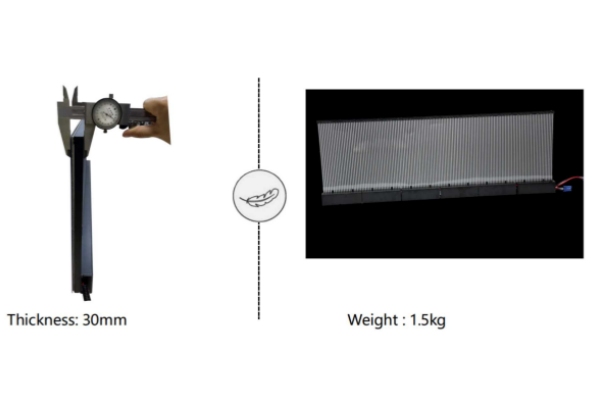
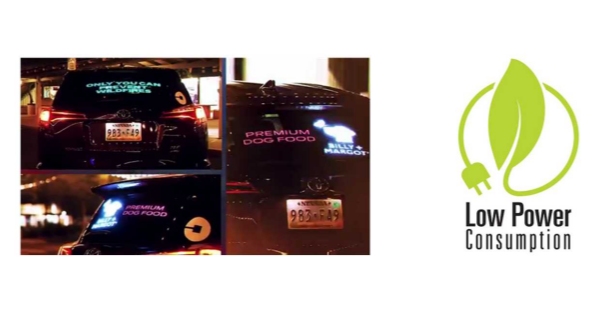
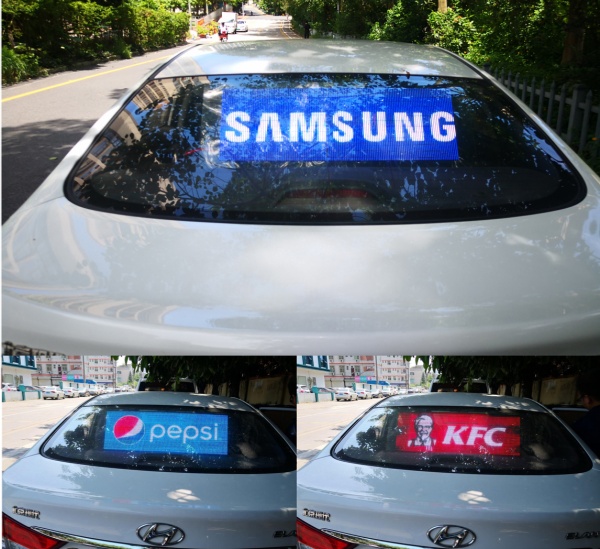
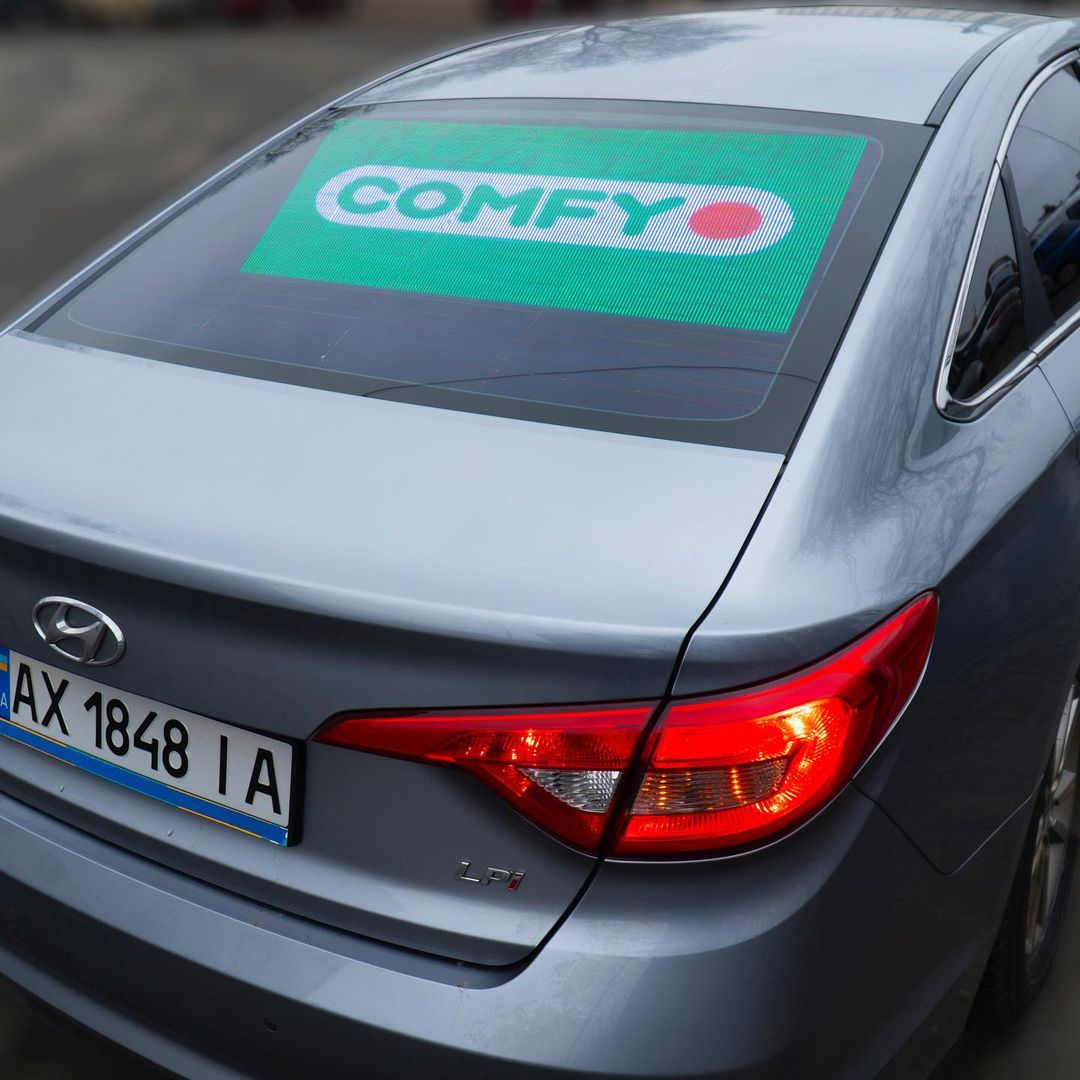
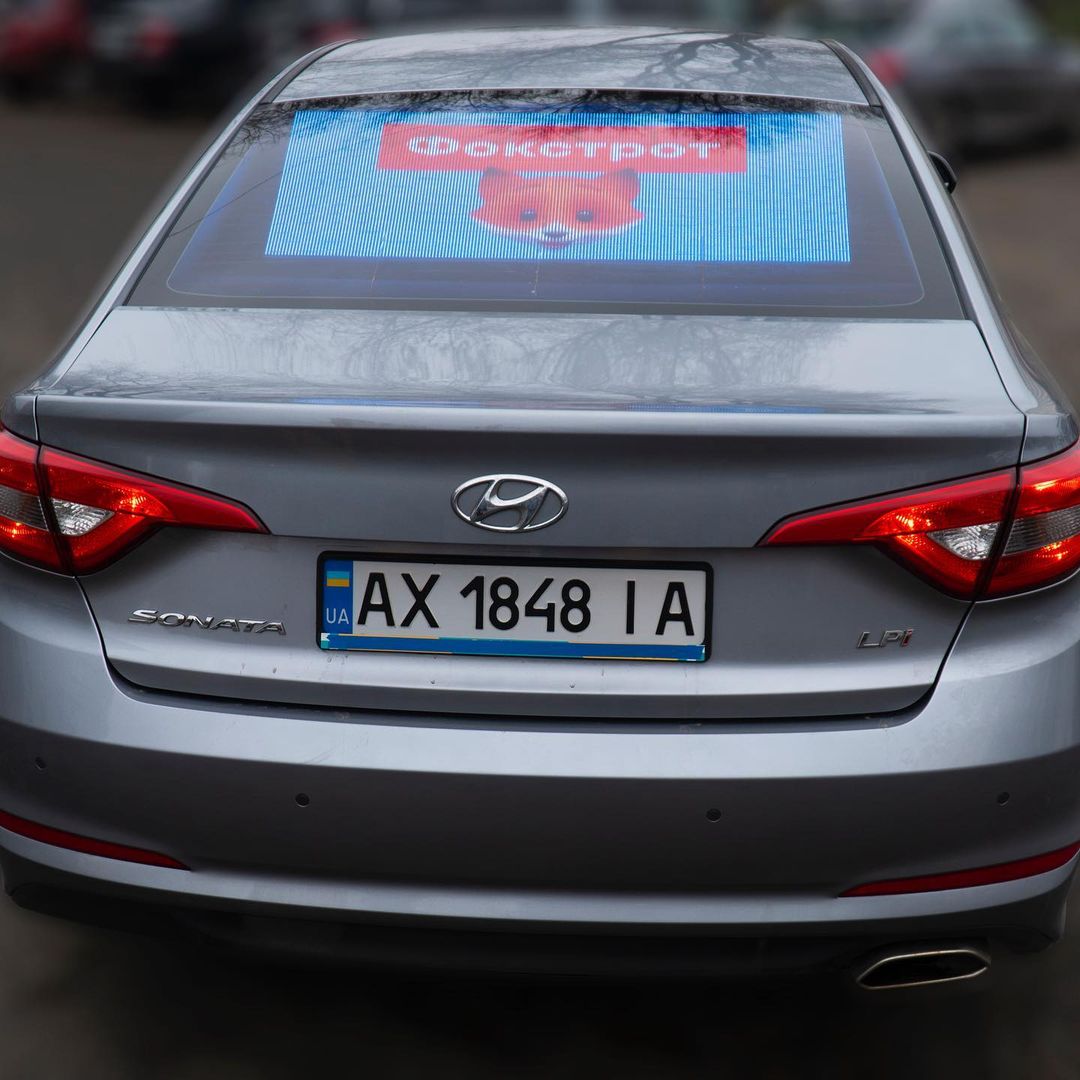
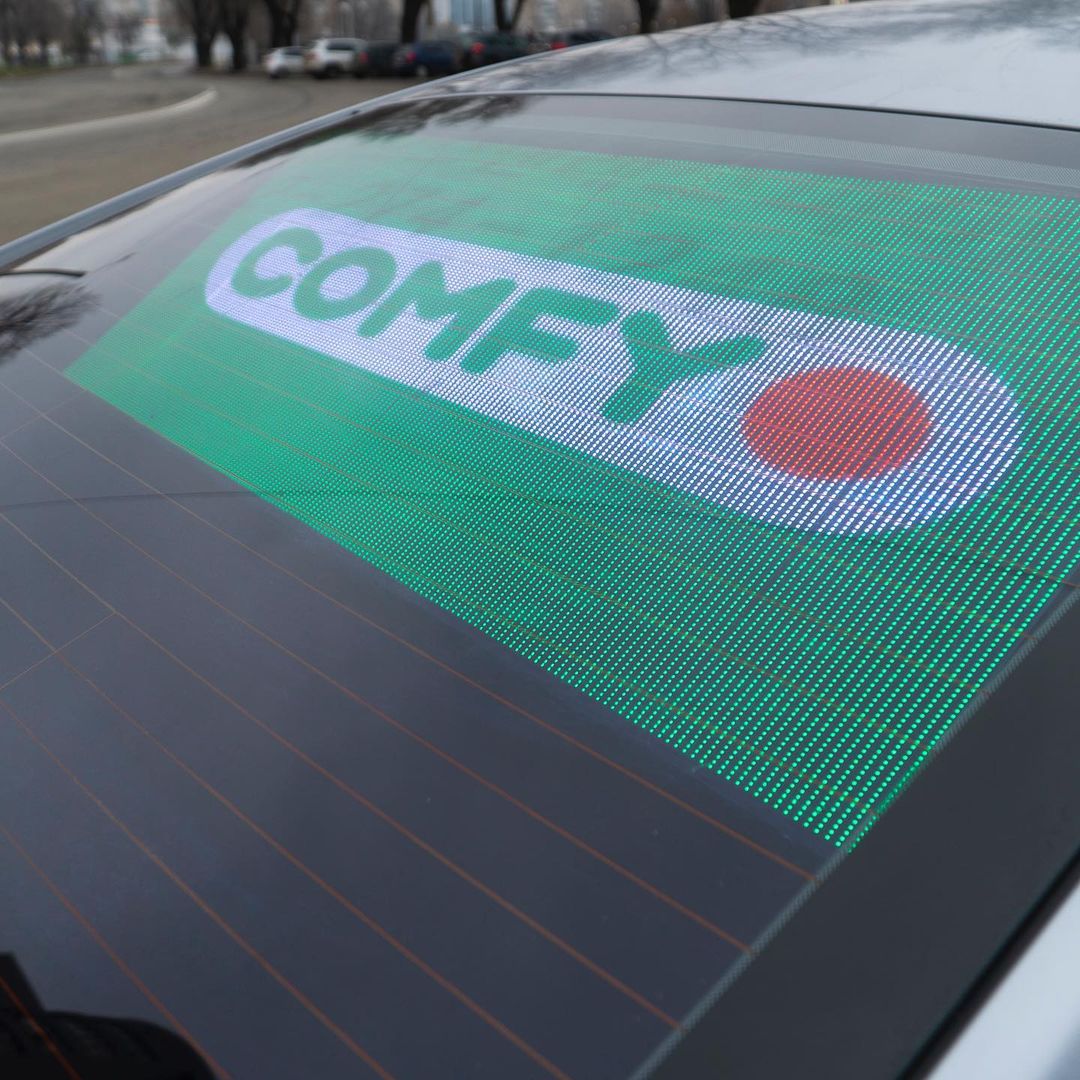
Our customer from Ukraine tested the sample for car back window transparent led display panel in July. There’s also no other companies who has imported it to Ukraine. They think it is a good chance to do this business for car rear window transparent led screen in Ukraine. They are satisfied with visual performance and find the market opportunity for digital mobile advertising in Ukraine and Eastern Europe. The first batch of 50 units car rear window transparent led display screen will be installed soon in Ukraine. That will be a leading trend for more customers joining with us for car mobile digital advertising.
Q1: Can the transparent LED display be installed on curved or sloped rear windshields (such as fastbacks, hatchbacks, or sedans)?
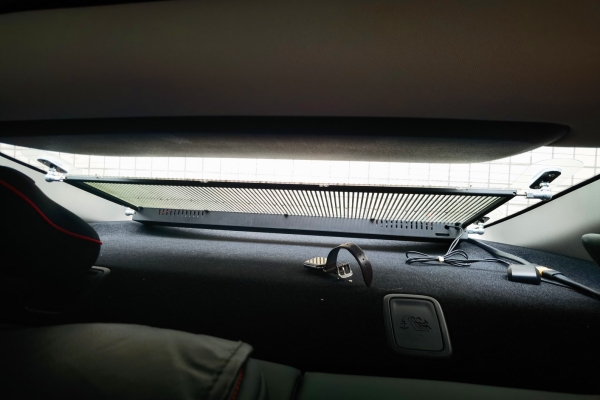
Yes. Unlike rigid plastic or heavy aluminum cabinets, our car rear window display is built on a flexible or semi-flexible modular substrate. It is engineered to conform gracefully to the natural sloped curvature of standard automotive rear windows without warping or putting stress on the glass.
Q2: Will applying the screen interfere with the rear window defroster (defogger) heating lines?
No. The mounting structure and adhesive layers are designed to bridge over or install cleanly alongside standard rear window defroster grids. However, during installation, technicians should take care not to scrape or cut the defroster lines when cleaning or applying the screen.
Q3: Can the display be installed on tinted or privacy glass? Will it reduce the visibility or brightness of the ads?
It can be installed on tinted glass, but excessive tinting (especially dark aftermarket film) will naturally absorb a portion of the emitted light and reduce transparency from the outside. For optimal advertising performance, we recommend installing it on clear or lightly factory-tinted rear windows. Our high-brightness output (>4500nits) is specifically calibrated to punch through light vehicle tinting during daylight hours.
Q4: What happens to the screen if the car is turned off or parked overnight? Will it drain the vehicle's battery?
No. The control box includes an intelligent ignition sensor (ACC detection). When the vehicle engine is turned off, the sensor automatically cuts power or puts the display into an ultra-low-power sleep mode, ensuring zero battery drain when the car is parked overnight.
Q5: Is there any risk of electrical short circuits or vehicle power surges during engine startup or heavy acceleration?
None. The power supply unit features automotive-grade surge protection, over-voltage protection, and reverse-polarity safeguards. It is engineered to stabilize fluctuating vehicle electrical loads (which often swing between 12V and 14.4V during alternator operation).
Q6: How do advertising schedules change when a taxi or delivery van crosses from one city zone into another?
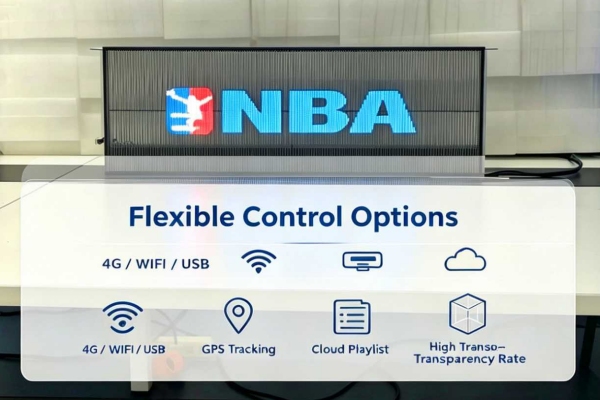
Thanks to the built-in high-precision GPS module, our Cloud CMS supports geo-fencing and location-triggered playback. For example, you can set the system to automatically switch to airport-specific promotions when the vehicle enters the airport zone, or display downtown restaurant ads when cruising city centers.
Q7: Can multiple cars in a fleet be managed simultaneously from a single dashboard?
Yes. Our cloud-based content management system (CMS) allows fleet managers to group vehicles by routes, shifts, or regions. You can push synchronized advertising campaigns across an entire fleet of 500 cars with a single click, or target individual vehicles with specific ads.
Q8: What video formats and file types does the system support?
The media player supports all mainstream digital formats, including MP4, AVI, MOV for video files, and JPG, PNG, GIF for static images and animations. It also supports real-time text scrolling for emergency notices or live news tickers.
Q9: How does the display handle extreme vehicle vibrations, potholes, and bumpy road conditions?
Mobile durability is a core engineering priority. All internal electronic components, circuit joints, and cable plugs are secured with industrial-grade anti-vibration dampening, shock-absorbing brackets, and locking connectors to withstand continuous road bumps and high-frequency vehicle vibrations.
Q10: Will intense summer heat trapped inside a closed car cabin damage the LED screen?
The materials are rated for high automotive thermal thresholds (operating smoothly in temperatures ranging from -20℃ to +65℃. The open-grid transparent design inherently allows natural heat dissipation, preventing the dangerous heat buildup associated with solid, opaque digital screens.