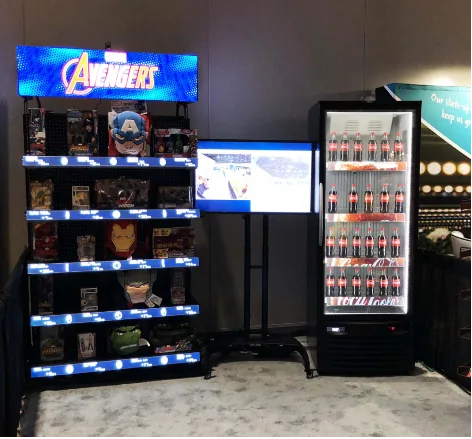
Different types of events often have vastly different requirements for stage LED screens. A touring production may require lightweight cabinets and fast assembly, while a sports event may prioritize viewing distance, image stability, and outdoor visibility. Brand events, meanwhile, may call for curved or creative screen designs that strengthen the visual identity of the experience.
For this reason, choosing a stage LED display is about more than image brightness or resolution. Event teams also need to consider transportation, repeated installation, indoor or outdoor conditions, camera performance, pixel pitch, screen geometry, setup efficiency, and whether the display can be reused across different projects. The right stage LED display should be selected according to the entire event workflow.
This guide explores the key factors event companies should consider when selecting a stage LED display for touring productions, sports events, and brand activations.

1. Start With the Event Scenario
Before asking, “What pixel pitch do I need?”, event companies should first consider where the screen will be used, how it will be operated, and how often it will be reused.
1.1 Touring Events
Touring performances require frequent transport and repeated assembly and disassembly of LED display screens. Therefore, factors such as cabinet weight, quick-locking systems, corner protection, ease of maintenance, and overall durability are crucial.
1.2 Sports Events
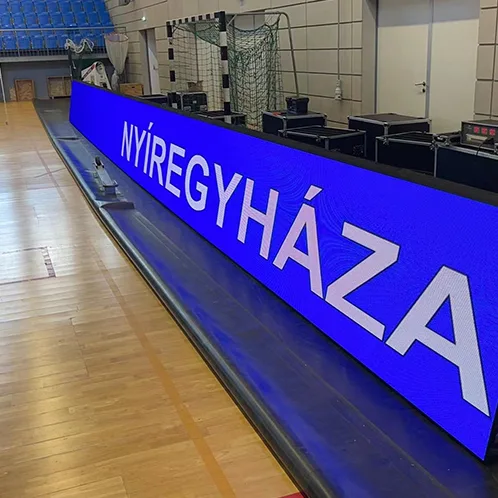
Considering factors such as long viewing distances, fast-moving images, sponsor content, and live camera footage, sports event displays require high refresh rate performance, excellent outdoor visibility, and suitable protection.
1.3 Brand Events
Brand activations place greater emphasis on visual creativity and audience engagement. Color reproduction, curved or creative screen shapes, fast installation can all influence the final choice.
Event Type | Main Priority | Recommended Focus |
Touring | Durability & mobility | Rental cabinet, fast setup |
Sports | Visibility & motion | Viewing distance, refresh rate |
Brand Events | Creativity & branding | Color, shape, flexibility |
2. Select Pixel Pitch Based on Viewing Distance
Pixel pitch should be selected according to viewing distance A smaller pixel pitch provides finer image detail and clearer visuals at close range, but it generally costs more. Larger pixel pitches can be more practical for audiences viewing a screen from greater distances, especially at large outdoor events.
Indoor Stage Events:
For conferences, product launches, indoor concerts, exhibitions, and corporate events, commonly used options may include P1.9, P2.6, P2.9, and P3.9.
Outdoor Concerts and Sports Events:
Outdoor audiences are often farther from the screen, so a larger pixel pitch can provide an effective balance between visual performance and project cost.
Both the Front Row and Back Row:
Do not size the screen only for the furthest audience. A screen that looks acceptable from 40 meters away may appear too coarse from 5 meters, so both viewing extremes should be considered before finalizing the specification.
3. Select Brightness Based on the Visual Environment
More brightness does not always mean better performance. For indoor events, excessive brightness may cause visual discomfort and affect camera footage, while outdoor displays need to remain visible under changing daylight and weather conditions. Therefore, buyers should evaluate brightness together with the overall visual environment.
Factor | What It Influences |
Ambient light | Screen visibility |
Contrast | Image depth |
Color performance | Visual accuracy |
Camera shooting | Recorded image quality |
Weather conditions | Outdoor reliability |
4. Flat, Curved, or Creative LED Displays?
4.1 Flat Stage LED Screens
Flat LED screens remain a practical choice when event companies need a clear, straightforward visual backdrop. They work well for concert backdrops, conferences, sports viewing areas, and corporate events where content visibility and efficient installation are the main priorities.
4.2 Curved LED Displays
When the stage design requires greater visual depth, curved LED displays can create a more immersive environment. They are well suited to concert stages, immersive events, brand activations, product launches, and exhibition booths.
4.3 Creative LED Configurations
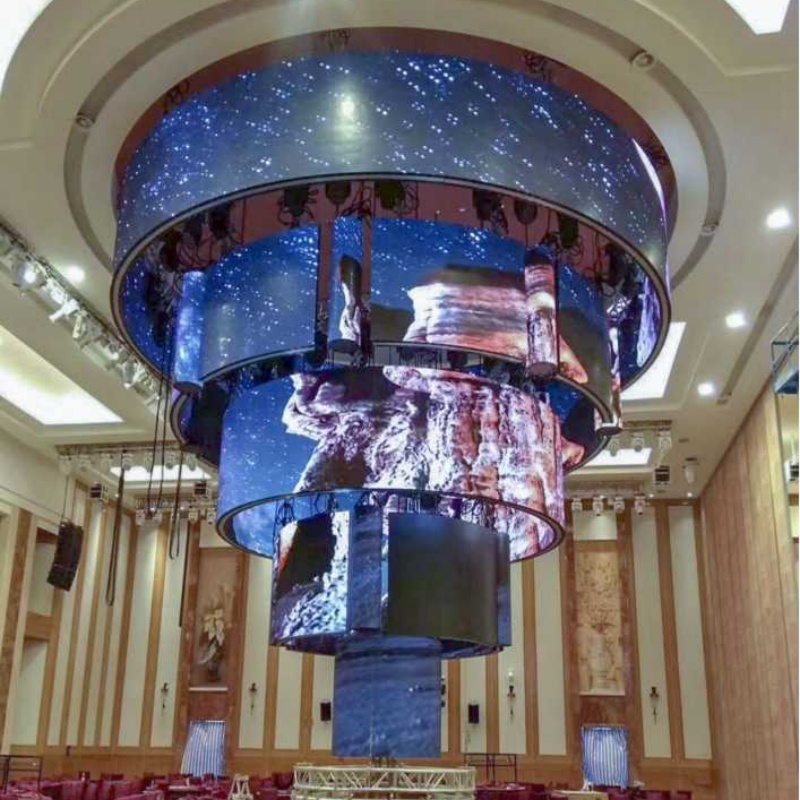
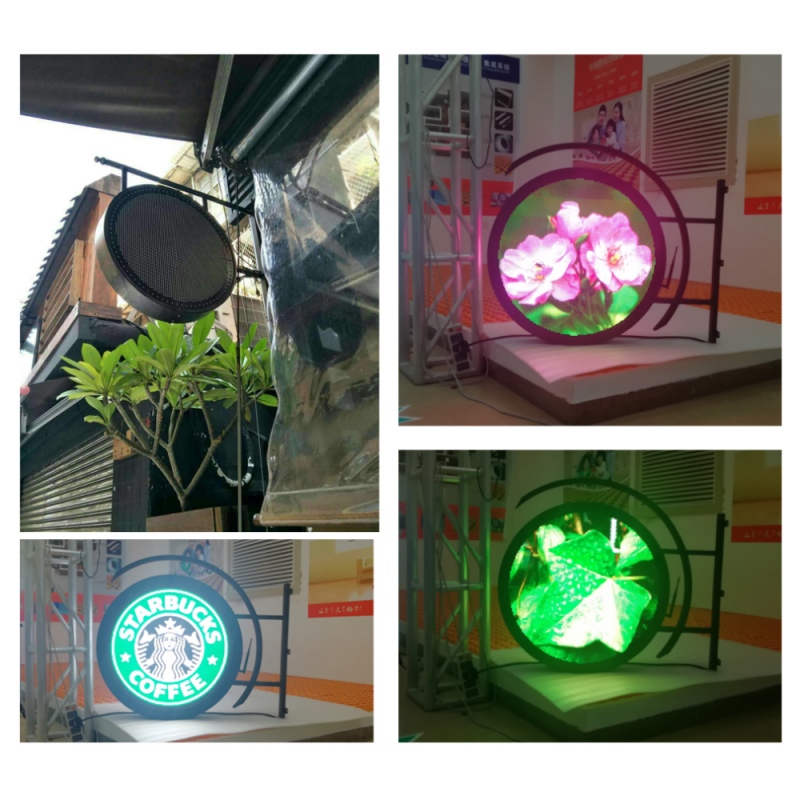
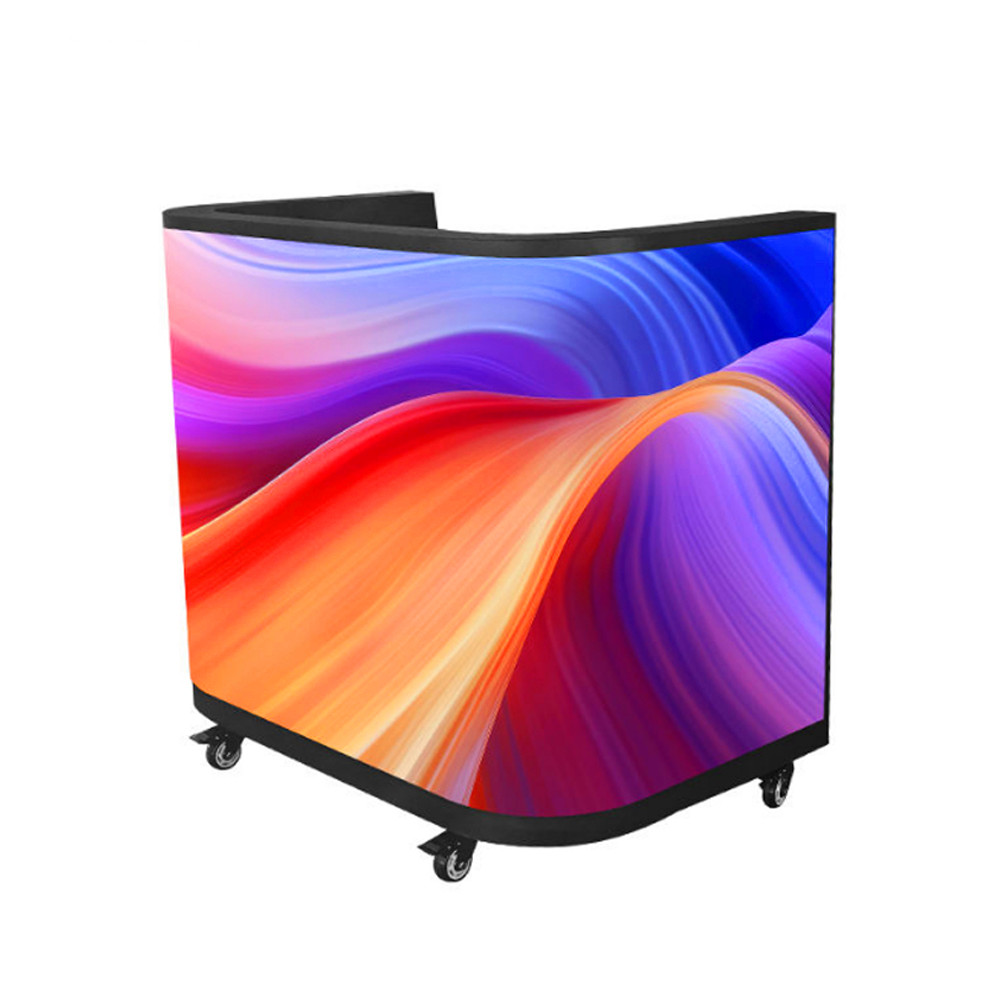
For projects seeking unique visual impact, creative structural designs—such as curved walls, cylindrical screens, corner displays, circular structures, and 360-degree wraparound installations—allow the display to integrate seamlessly into the event's overall design. Through customized LED screen solutions, the displays can showcase creative concepts and reinforce brand identity.
5. Cabinet Design for Touring Projects
Touring LED displays may go through the same cycle repeatedly: Transport→Load-in→Installation→Performance→Teardown→Transport. This makes cabinet design an operational consideration, not just a hardware detail.

5.1 Frequent Transportation Changes the Buying Criteria
Repeated handling can place greater demands on the cabinet, so event companies should evaluate:
Cabinet weight and mechanical strength
Locking and corner protection
Module protection and road-case compatibility
Maintenance accessibility
5.2 Fast Locking Systems Reduce Installation Time
Touring crews often work within tight venue access windows. Fast locking systems and precise cabinet alignment can simplify assembly and control labor costs. Modular construction can also improve project turnaround when screens need to be installed and removed quickly.
6. Refresh Rate for Filmed Events and Live Streaming
Concerts and brand events are increasingly recorded through professional cameras, livestreaming systems, social media videos, and promotional content.
When filming event LED screens, insufficient refresh performance can lead to issues such as flickering, scan lines, or rolling bands. These problems degrade the quality of the recorded content and negatively impact the viewer's experience.
7. LED Display Requirements for Sports Events
Sports events have specific requirements for LED displays, especially when screens are used in large venues or outdoor environments.
Key factors include:
Screen size, pixel pitch, brightness, and viewing angle should work together to provide clear visuals across different seating areas.
Live footage, replays, scoreboards, and player statistics require suitable refresh rate, processing performance, and signal stability.
Outdoor displays should account for sunlight, rain, dust, and temperature changes, with protection matched to the venue.
Sports LED screens also support sponsorships, advertisements, and fan engagement, so stable playback are essential.
Conclusion
Choosing a stage LED display should start with the event itself and follow the complete workflow: Event Type→Venue→Viewing Distance→Screen Size→Pixel Pitch→Brightness→Refresh Rate→Structure→Installation→Long-Term Reuse. Touring projects prioritize durability, portability, and fast installation, while sports events require strong visibility, suitable viewing distance, smooth refresh performance, and environmental protection. Brand events place greater emphasis on creative design, color performance, customization, and audience impact.
For event companies managing different types of projects, HSC LED provides creative LED displays and tailored LED screen solutions for exhibitions, conferences, events, entertainment venues, and other commercial applications. With custom-made solutions, creative LED displays, and integrated solutions, HSC LED can help event teams develop displays around their specific venue, visual concept, and operational requirements rather than relying on a one-size-fits-all solution.