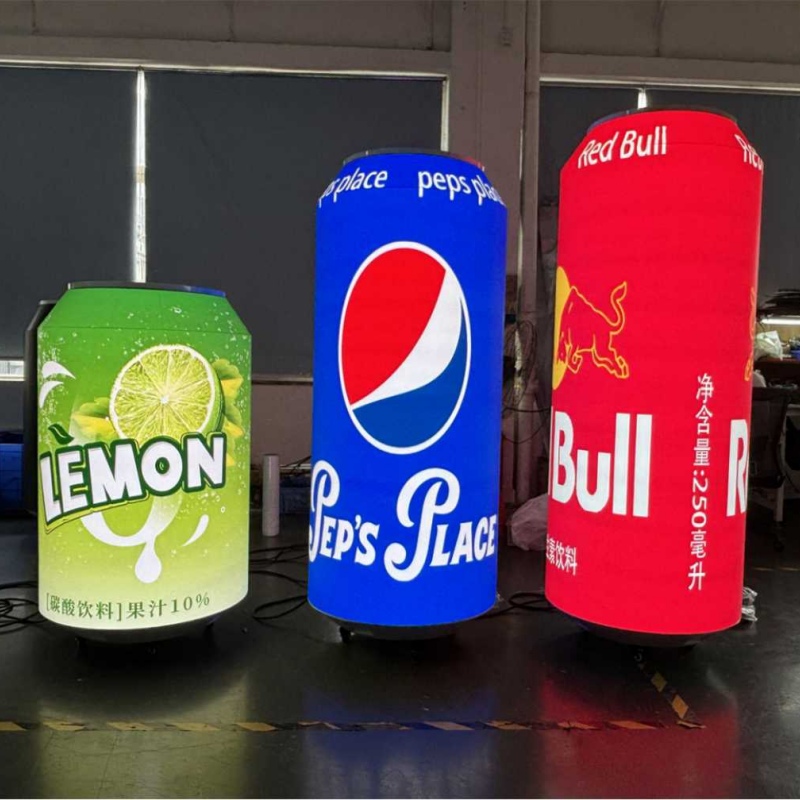
Modern architecture, commercial spaces, and retail environments are placing greater emphasis on digital visual experiences. As brands seek more engaging ways to communicate, LED displays are becoming an increasingly important part of spatial design.
Today, LED displays are evolving from standalone devices into integrated elements of buildings and commercial spaces. However, curved walls, columns, glass facades, circular structures, and irregular spaces often require more flexible display solutions that can adapt to the surrounding architecture while maintaining strong visual performance.
From architectural installations and retail displays to media facades, the right solution should be selected according to the space, visual requirements, content, and intended application. This article explores the key considerations and display options for different project needs.
1. LED Displays for Architecture
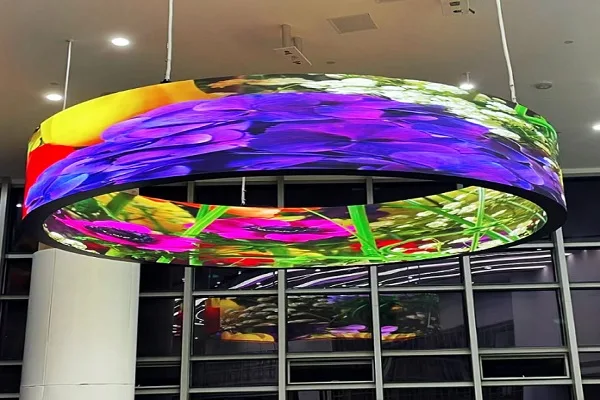
Architectural LED displays are increasingly being integrated into the overall design of commercial and public spaces. From large-scale building facades to interior feature walls, successful projects strike a balance between display performance and architectural proportions, structural constraints, and visual harmony.
1.1 Common Architectural Applications
LED displays are widely used in commercial buildings, hotels, airports, corporate headquarters, entertainment venues, cultural spaces, and urban landmarks. Depending on the project, displays can be installed on walls, columns, glass surfaces, entrances, or custom structures to create stronger visual impact.
1.2 Value of Architectural LED Displays
Architectural LED displays support building branding, digital communication, advertising, artistic expression, and immersive experiences, helping spaces become more dynamic, interactive.
2. LED Displays for Retail and Commercial Environments
2.1 Storefronts and Shop Windows
LED displays can attract passersby with dynamic visuals while showcasing products, promotions, seasonal campaigns, and brand content. Compared with traditional posters and printed signage, digital displays allow retailers to update messages quickly and create more engaging storefront experiences.
2.2 Shopping Malls and Commercial Centers
In shopping malls and commercial centers, LED displays can be used in atriums, columns, promotional areas, event spaces, and other common areas. They provide flexible platforms for advertising, announcements, events, and branded visual content.
2.3 Flagship Stores and Brand Spaces
For flagship stores and branded environments, LED displays can strengthen visual identity and create immersive experiences by becoming part of the interior design rather than functioning as standalone advertising equipment.
3. Media Facades
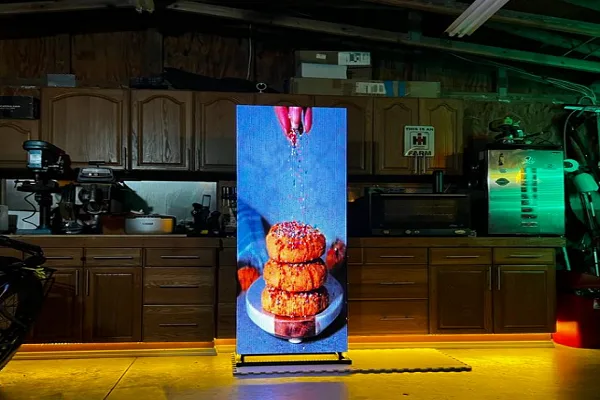
A media facade integrates LED technology into a building's exterior, transforming architectural surfaces into dynamic platforms for digital content. A media facade is designed to work with the building's structure and visual identity while supporting communication, branding, and creative expression.
3.1 Applications for Media Facade
Media facades can display advertising, brand campaigns, event content, entertainment visuals, public information, and digital art, allowing buildings to communicate with audiences in more engaging ways.
3.2 Scenarios for Media Facade
Typical applications include shopping malls, commercial complexes, hotels, airports, entertainment venues, and landmark buildings where high visibility can create strong visual impact.
3.4 Key Requirements for Media Facades
Successful installations require careful consideration of viewing distance, outdoor environmental conditions, brightness and visibility, structural integration, and maintenance accessibility to ensure reliable performance and effective visual communication.
4. Creative LED Display for Different Spaces
Different architectural and commercial environments require different LED display formats. Rather than choosing a screen based only on appearance, project designers should consider the shape, function, available space, and desired visual effect. The following formats can address a range of creative display requirements.
LED Display Format | Suitable Spaces | Key Value |
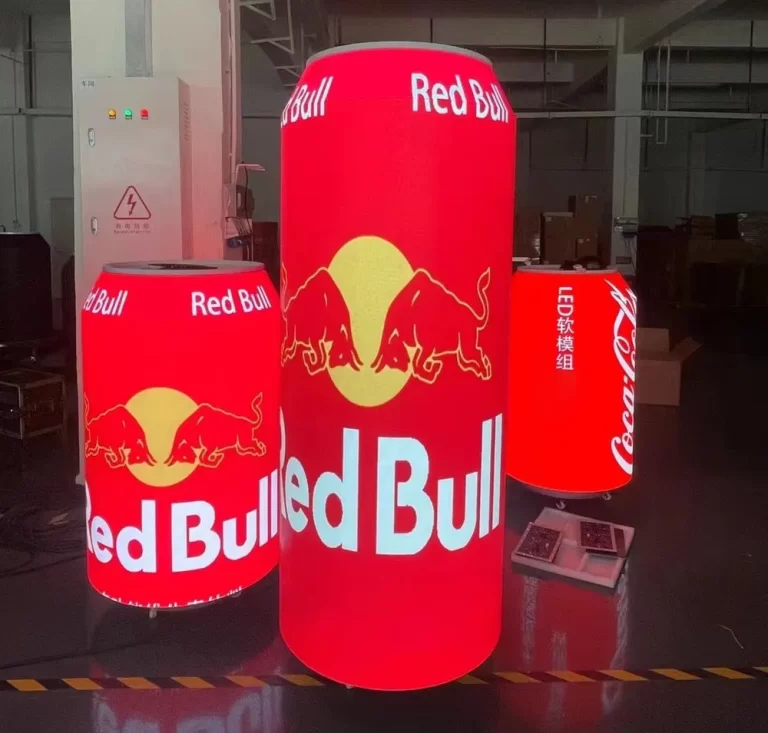
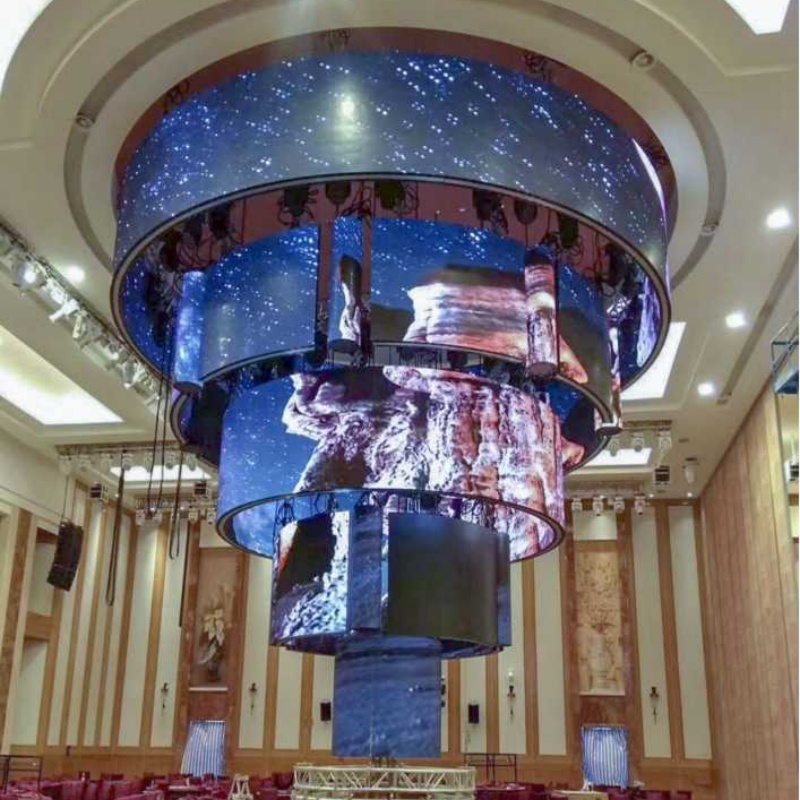
Flexible LED Displays | Curved walls, cylindrical structures, columns, arched surfaces, creative installations | Conform to non-flat structures and expand design possibilities |
Digital LED Posters | Retail stores, shopping malls, exhibitions, events, promotional areas | Compact format for dynamic commercial content and frequent campaign updates |
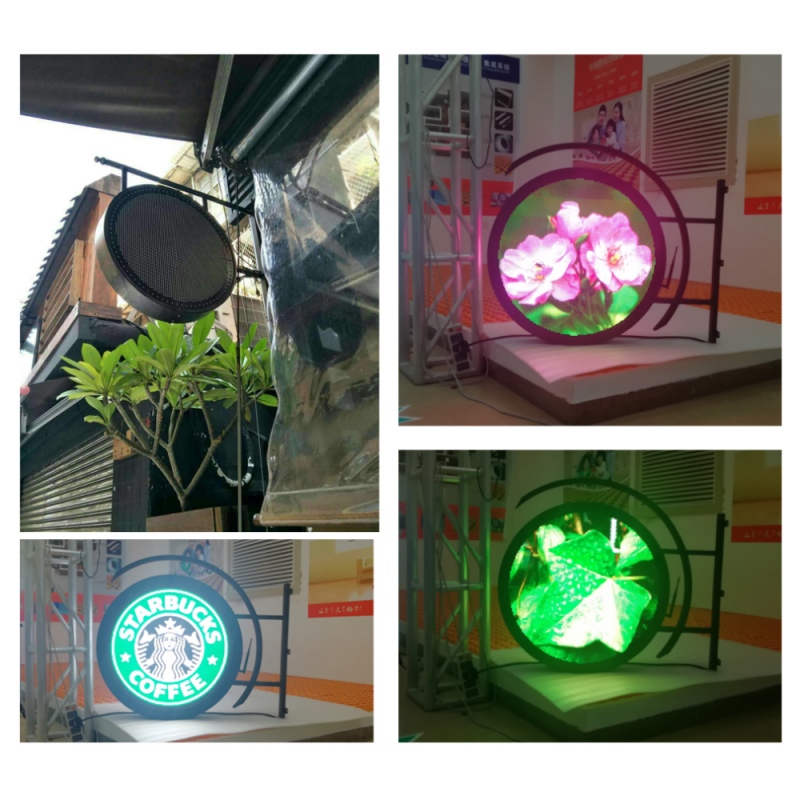
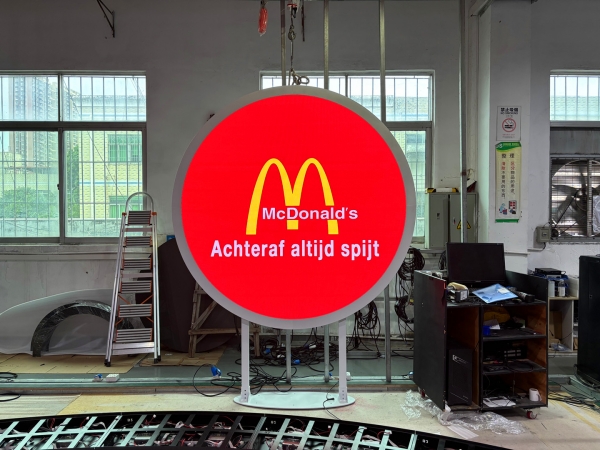
Circular & Special-Shaped LED Displays | Brand signage, architectural elements, retail interiors, entertainment venues | Create distinctive visual identities beyond conventional rectangular screens |
Custom LED Displays | Irregular structures, special-shaped installations, creative exhibitions, media facades | Adapt display dimensions and configurations to unique project requirements |
These formats allow LED technology to work more naturally with different spaces. Flexible and special-shaped solutions can support creative architectural concepts, while compact and customized displays provide greater freedom for retail, exhibitions, and commercial environments.
5. How to Choose the Right LED Display Solution
Choosing an LED display requires more than selecting a suitable screen format. The installation environment, viewing conditions, and long-term operating requirements should all be evaluated before making a decision.
Installation surface and structure: Determine whether the display will be installed on a flat or curved surface, glass or solid structure, wall or column, and whether the space has regular or irregular geometry.
Viewing distance and pixel pitch: Pixel pitch affects image detail and viewing experience. Close-viewing indoor applications may require finer pixel pitches, while larger viewing distances can allow different configurations. A smaller pixel pitch is not always the better choice.
Environment and brightness: Consider ambient light, direct sunlight, rain, moisture, and temperature changes. Brightness should provide clear visibility without unnecessary energy consumption or excessive visual impact.
Installation and maintenance: Plan for mounting structures, power supply, control systems, cable routing, maintenance access, and module replacement to support reliable long-term operation.
Conclusion
LED displays are evolving from traditional advertising equipment into visual elements that can enhance architecture, retail environments, and media facades. The right solution should balance architecture, application, display format, content, and installation. Flexible LED, circular and custom-shaped displays can expand creative possibilities for curved or irregular spaces, while digital LED posters provide flexible content presentation for retail and commercial environments. Larger architectural projects and media facades require more comprehensive solutions that combine visual performance, structural integration, and long-term usability.
HSC LED specializes in creative LED displays and custom-made solutions, including flexible LED screens, digital LED posters, circle LED signs, and tailored LED screens for exhibitions, events, entertainment venues, airports, hotels, banks, shopping malls, and other commercial environments. Looking for a creative LED display solution? Contact HSC LED to discuss your project and explore a tailored solution.