NewsSite EditorSite/uploads/image/68931a3c33409.pngThis article explains why it has become a preferred solution in commercial buildings, retail spaces, transportation hubs, and creative architectural projects.
Why Transparent LED Curtain Walls Are So Popular in Architectural Design?
Views: 1062Author: Site EditorPublish Time: 2025-12-22Origin: Site
As modern architecture becomes more open, dynamic, and visually expressive, more designers are turning to new digital display technologies to upgrade building façades. Among these options, the transparent LED display has rapidly gained popularity. This article explains why it has become a preferred solution in commercial buildings, retail spaces, transportation hubs, and creative architectural projects.
1. The Rise of Modern Façade Design with Transparent LED Display
To begin with, the architectural world is moving toward lighter and more transparent building structures. As this trend continues, the transparent LED display aligns perfectly with such design goals.
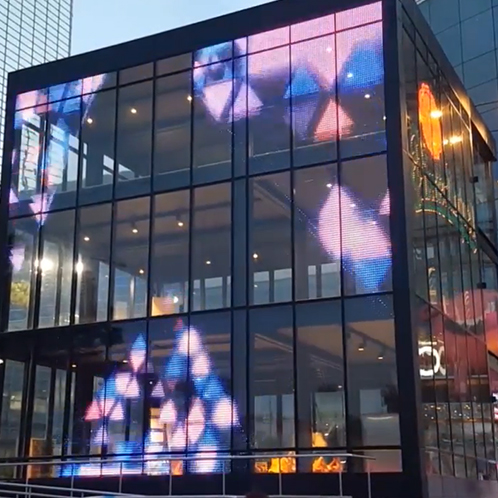
This display technology allows digital content to appear directly on glass façades without blocking light or visibility. Its transparent structure achieves both aesthetic value and information presentation. With cities seeking more visually appealing skylines, transparent LED curtain walls have naturally become a top choice. Designers appreciate their ability to bring buildings to life with animations, text, and visuals while maintaining the openness of the original structure.
2. High Transparency and Visual Aesthetics of Transparent LED Display
Following the design trend discussed earlier, another reason for popularity is the impressive visual performance. The transparent LED display offers high transparency, often reaching 60%–90% depending on pixel pitch and structure.
This allows natural daylight to pass through the glass, reducing the feeling of enclosure inside the building. From the outside, viewers can see eye-catching digital content, yet the glass still looks clean and elegant. This balance of practicality and beauty is why architects and brand owners value transparent LED curtain walls. They can enhance daytime aesthetics and create stunning lighting effects at night.
3. Lightweight and Flexible Structure of Transparent LED Display
Building on the visual advantages, the structure of a transparent LED display also plays a major role in its popularity. Its slim, lightweight modules reduce the load on the building façade, making installation more flexible.
Unlike traditional LED screens, which require heavy steel frameworks, transparent LED solutions use thin modules that attach directly to the glass surface or structural frames. This makes it possible to integrate displays into new buildings or retrofit them onto existing structures without major construction work. The flexible design also allows curved, irregular, or large-format architectural displays, making it easier for designers to create unique digital façades.
4. Energy Efficiency and Cost Savings of Transparent LED Display
As sustainability becomes increasingly important, the transparent LED display stands out for its energy efficiency. Its open-grid design allows better heat dissipation, reducing the need for high-power cooling systems.
LEDs themselves are low-energy light sources, and the transparency allows natural daylight to enter the building, reducing interior lighting needs during daytime. Maintenance is also simple, as front-access service is possible in many models. By lowering electricity use, installation costs, and maintenance expenses, transparent LED curtain walls provide long-term economic benefits for building owners.
5. Rich Content Expression and Brand Impact of Transparent LED Display
In addition, the marketing value of the transparent LED display is a major factor driving its adoption. The display can present videos, animations, graphics, and advertising content without affecting the building’s appearance.
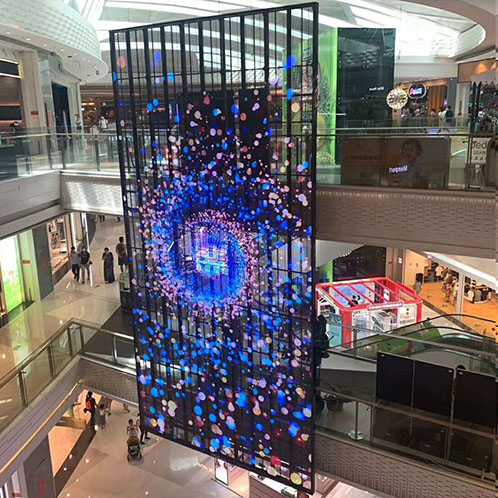
For retail stores, shopping malls, exhibition centers, and luxury brands, this means stronger customer engagement and improved brand visibility. Unlike traditional banners or posters, digital content can be updated instantly, allowing businesses to respond quickly to seasonal promotions or events. This dynamic visual impact turns a building into a powerful communication platform.
6. Versatile Applications in Architectural Projects with Transparent LED Display
Finally, the wide range of applications shows why the transparent LED display is so popular. It is suitable for corporate headquarters, cultural landmarks, airports, transportation hubs, stadiums, and creative installations.
Architects can integrate these displays into glass curtain walls, atriums, skylights, or retail windows. Because it keeps the glass façade intact, the building retains its original design while gaining modern digital functionality. This versatility allows transparent LED curtain walls to meet both practical and artistic requirements across different industries.
Conclusion
In summary, the growing popularity of transparent LED curtain walls is driven by modern architectural trends, strong visual performance, lightweight construction, energy efficiency, and powerful content display capabilities. As more buildings seek a balance between aesthetics and technology, transparent LED displays will continue to shape the future of façade design.
For high-quality solutions, HSC LED provides durable, innovative, and customizable transparent LED displays for global projects. If you are looking for a reliable LED display supplier, HSC LED is ready to support your next architectural design vision.