NewsSite EditorSite/uploads/image/68931a3c33409.png This guide provides a clear and practical comparison to help you choose the right solution.
Flexible LED Display vs Traditional LED Display: Key Differences, Advantages, and Use Cases
Views: 775Author: Site EditorPublish Time: 2026-02-11Origin: Site
As LED display technology continues to evolve, businesses and designers are no longer limited to flat, rigid screens. Alongside traditional LED displays, flexible LED displays have emerged as a powerful solution for creative and complex visual installations. However, these two display types serve different purposes and suit different project needs.
To make an informed decision, it is essential to understand how flexible LED displays differ from traditional LED displays in structure, performance, installation, cost, and applications. This guide provides a clear and practical comparison to help you choose the right solution.
What Is a Flexible LED Display?
To begin with, a flexible LED display is a type of LED screen built on a flexible substrate rather than a rigid cabinet. Thanks to flexible PCB boards and soft base materials, the display can bend, curve, or wrap around surfaces without affecting image quality.
In contrast to rigid displays, flexible LED displays are designed to adapt to non-flat structures such as curved walls, columns, cylinders, and custom architectural shapes. Despite their flexibility, they still operate on the same LED pixel control principles used in traditional LED displays.
What Is a Traditional LED Display?
On the other hand, a Traditional LED Display is constructed using hard modules and metal cabinets. These displays are designed for flat installations and rectangular layouts, making them ideal for standard indoor and outdoor applications.
Because the technology is mature and widely used, traditional LED displays offer stable performance, long service life, and cost-effective solutions for fixed installations such as advertising screens, conference rooms, control centers, and stadium displays.
Flexible LED Display vs Traditional LED Display: Flexibility and Shape Adaptability
First and foremost, flexibility is the most obvious difference.
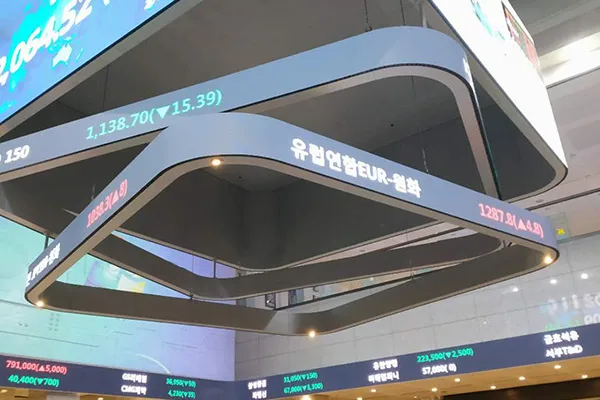
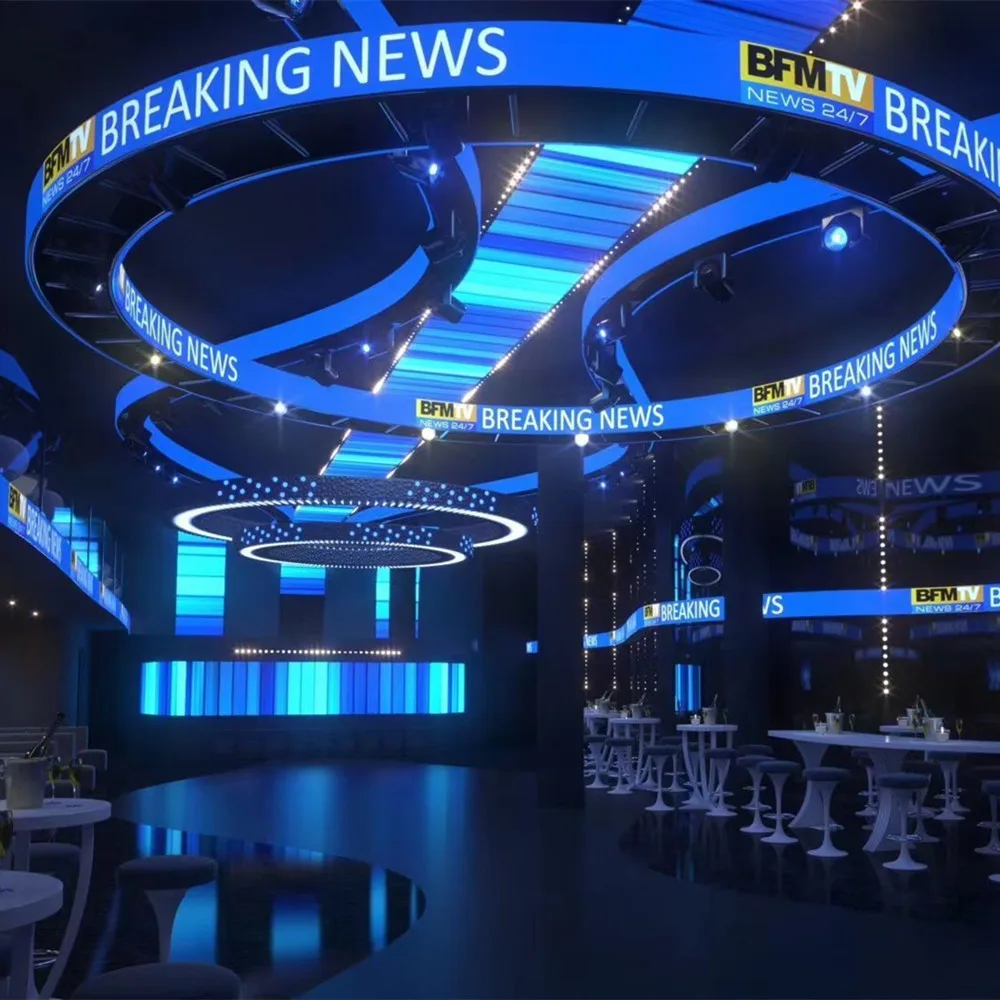
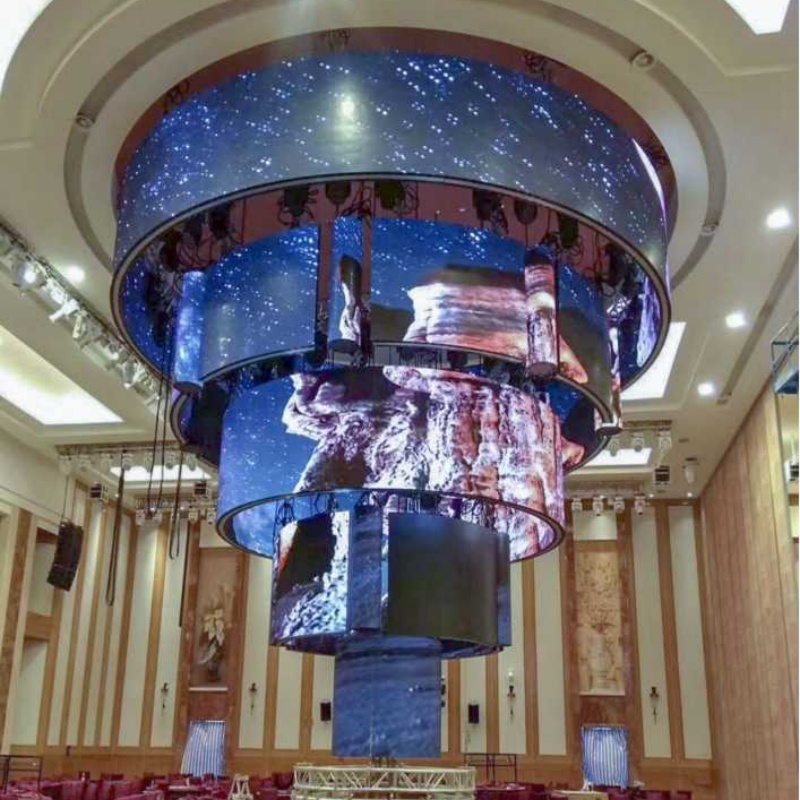
A Flexible LED Display can bend, curve, or fold to match irregular surfaces. This makes it possible to create wave-shaped walls, circular screens, or artistic installations that are impossible with rigid displays.
By comparison, a Traditional LED Display has a fixed shape and requires a flat mounting surface. It works best when the display area is rectangular and does not require creative shaping.
Flexible LED Display vs Traditional LED Display: Installation Methods
Moving on to installation, flexible LED displays offer greater freedom.
A Flexible LED Display supports multiple mounting options, including wall attachment, surface mounting, hanging, and embedding. Because of its lightweight design, installation is often faster and requires less structural reinforcement.
In contrast, a Traditional LED Display usually needs a solid steel structure or mounting frame. Installation is more standardized but also more restrictive, especially in complex architectural environments.
Flexible LED Display vs Traditional LED Display: Display Performance
When it comes to visual performance, both display types deliver high-quality images.
A Flexible LED Display typically offers high brightness, strong contrast, wide viewing angles, and smooth refresh rates. In many cases, it provides excellent color uniformity even when curved.
Meanwhile, a Traditional LED Display is known for stable brightness, accurate color control, and long-term reliability. For flat, large-scale displays, it remains one of the most dependable solutions in the industry.
Flexible LED Display vs Traditional LED Display: Energy Efficiency and Weight
Another key comparison point is energy use and physical design.
A Flexible LED Display is usually thinner and lighter than a traditional LED display. This reduces transportation costs and lowers power consumption, especially in large installations.
In contrast, a Traditional LED Display is heavier due to its metal cabinets and rigid structure. While energy efficiency is still high, overall system weight is significantly greater.
Flexible LED Display vs Traditional LED Display: Cost and Budget Considerations
From a budget perspective, there is a clear difference.
A Flexible LED Display generally comes at a higher price due to advanced materials, complex manufacturing processes, and specialized installation requirements.
Meanwhile, a Traditional LED Display benefits from mature production technology, making it more affordable and widely accessible for standard commercial projects.
Flexible LED Display vs Traditional LED Display: Application Scenarios
In terms of applications, each display type has its strengths.
A Flexible LED Display is commonly used in:
Shopping malls and brand showrooms
Museums and exhibitions
Architectural facades and columns
Creative stage and art installations
By contrast, a Traditional LED Display is ideal for:
Outdoor advertising billboards
Sports venues
Conference rooms and control centers
Fixed indoor and outdoor signage
Which LED Display Should You Choose?
Ultimately, the choice depends on your project goals.
If your project requires creative shapes, curved surfaces, or visual impact, a Flexible LED Display is the better option. However, if your focus is on cost efficiency, durability, and standard flat installation, a Traditional LED Display remains the most practical solution.
Conclusion
In summary, both flexible LED displays and traditional LED displays play important roles in today’s visual communication landscape. Flexible LED displays push creative boundaries, while traditional LED displays deliver proven stability and value. Understanding their differences helps ensure the right investment for your specific application.
At HSC LED, we specialize in delivering reliable and innovative LED display solutions for global markets. As an experienced LED display supplier, we provide both flexible LED displays and traditional LED displays to meet diverse commercial and architectural needs.
Contact HSC LED today to explore professional LED display solutions designed for performance, creativity, and long-term value.