NewsSite EditorSite/uploads/image/68931a3c33409.png This article explains why flexible LED displays are technically and practically ideal for such applications.
Why Flexible LED Displays Are Ideal for Curved and Irregular Structures
Views: 603Author: Site EditorPublish Time: 2026-02-18Origin: Site
In recent years, architectural and commercial design has clearly moved beyond flat surfaces. Today, shopping malls, exhibition halls, museums, and brand flagship stores increasingly use curved walls, cylindrical columns, wave-shaped façades, and other irregular structures to create stronger visual impact. As a result, traditional flat LED screens often struggle to adapt to these creative designs.
For this reason, the flexible LED display has become an important solution. Unlike rigid panels, flexible LED displays are designed to bend and fit curved and irregular structures without compromising image quality. This article explains why flexible LED displays are technically and practically ideal for such applications.
What Is a Flexible LED Display and How Does It Work?
To better understand its advantages, it is important to first clarify what a flexible LED display is. A flexible LED display uses soft PCB boards and flexible base materials that allow the module to bend within a certain radius. Instead of fixed metal cabinets, many flexible systems use magnetic front-service installation or lightweight structural frames.
Because of this design, the modules can attach directly to curved surfaces such as round pillars or arc-shaped walls. Compared with traditional rigid LED cabinets, which require straight alignment, flexible LED screens provide better adaptability to non-flat structures.
In addition, flexible LED modules maintain standard LED display technology, including SMD LEDs, driver ICs, and control systems. Therefore, they offer stable brightness, color consistency, and refresh rates suitable for indoor commercial environments.
Structural Advantages of Flexible LED Displays for Curved Surfaces
When discussing curved installations, structural adaptability is the most critical factor. In this regard, the flexible LED display offers several clear advantages.
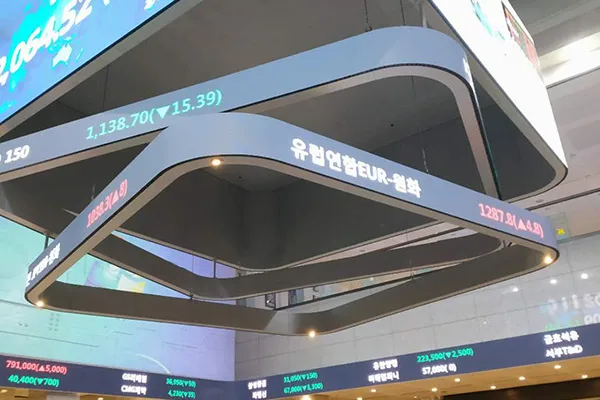
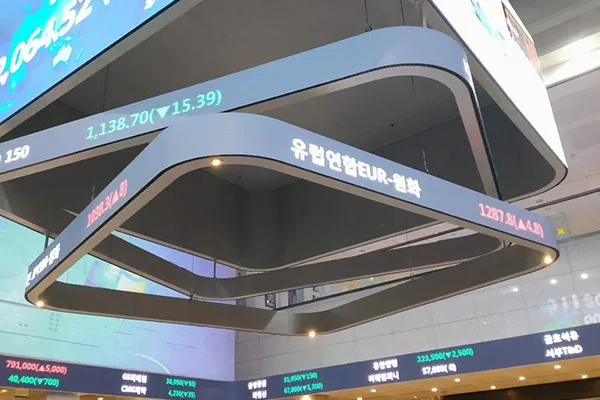
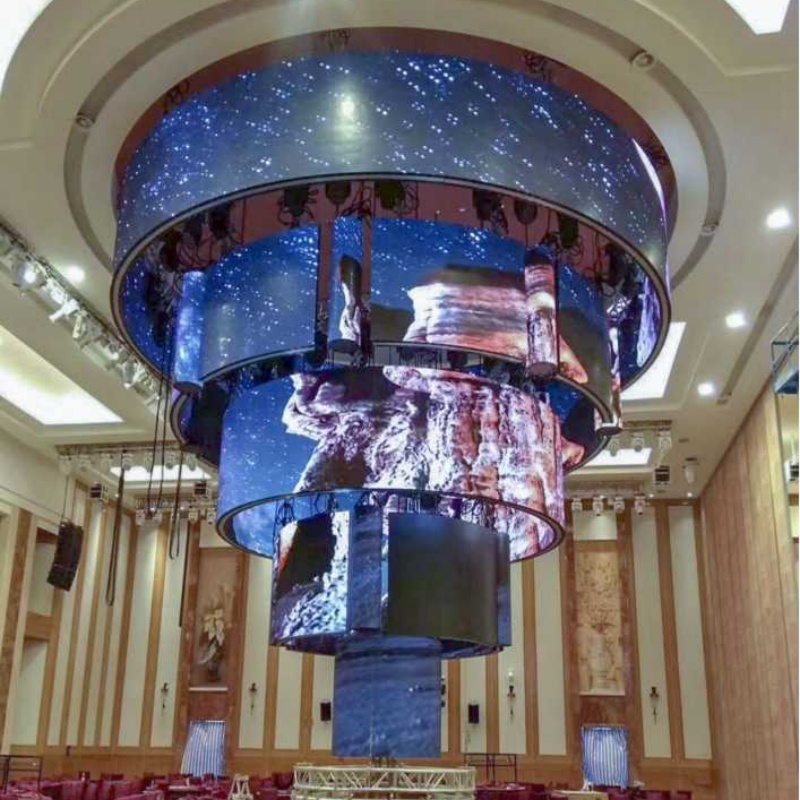
First, flexible modules can create seamless arc installations. Because the modules bend naturally, there are fewer visible gaps between panels. This improves visual continuity, especially for cylindrical LED displays or curved LED walls.
Second, flexible LED displays adapt well to complex geometries. They can be installed on round columns, S-shaped walls, concave or convex surfaces, and other irregular architectural elements. Traditional rigid LED cabinets would require custom metal framing and segmented assembly, which increases installation complexity.
Third, flexible LED displays reduce mechanical stress during installation. Since the module conforms to the surface instead of forcing alignment, it avoids unnecessary structural tension that may affect long-term stability.
Design Flexibility of Flexible LED Displays in Creative Spaces
Beyond structural benefits, design freedom is another major reason why flexible LED displays are widely used.
For example, in retail environments, brands often use curved LED walls to enhance product presentation areas. In exhibition halls, cylindrical LED columns are used to display immersive content. Museums and experience centers integrate flexible LED displays into irregular walls to support storytelling and digital art.
Similarly, in stage design and event environments, curved LED backdrops create a stronger sense of depth compared to flat screens. Because the flexible LED display can follow the designer’s original architectural concept, it helps maintain visual integrity without altering the structure.
As a result, flexible LED displays are not only technical solutions but also creative tools for modern digital architecture.
Installation and Maintenance Benefits of Flexible LED Displays
In addition to design advantages, flexible LED displays also offer practical installation benefits.
To begin with, flexible LED modules are lightweight. This reduces the load on supporting structures, making them suitable for interior renovation projects or lightweight walls.
Moreover, many flexible LED systems adopt magnetic front-service maintenance. Technicians can remove modules from the front without accessing the rear side. This is especially useful for curved LED walls installed directly on solid architectural surfaces.
Furthermore, flexible LED displays can often be installed without traditional heavy cabinets. In many cases, customized frames or direct mounting solutions are sufficient. This simplifies installation and improves space efficiency.
Performance Considerations for Curved Flexible LED Displays
Although flexible LED displays are designed for bending, performance standards remain consistent with professional LED display requirements.
First, pixel pitch selection depends on viewing distance. For indoor curved applications such as shopping malls or showrooms, fine pixel pitches provide clearer image quality at short distances.
Second, brightness levels must match the environment. Indoor flexible LED displays typically operate at brightness levels suitable for controlled lighting conditions.
Third, uniformity and color calibration are important. Even when installed on curved surfaces, high-quality flexible LED displays maintain consistent brightness and color performance across the entire screen.
Therefore, when selecting a flexible LED display, both structural adaptability and display performance should be evaluated together.
Cost Efficiency and Long-Term Value of Flexible LED Displays
From a project perspective, flexible LED displays can help optimize overall installation efficiency.
Compared with rigid LED cabinets that require segmented installation on curved surfaces, flexible modules reduce the need for complex mechanical structures. This can simplify on-site installation procedures.
In addition, front-service maintenance helps lower long-term servicing costs. For commercial spaces that operate daily, easy maintenance is a significant operational advantage.
Therefore, while flexible LED displays are often chosen for creative design reasons, they also provide practical long-term value in commercial applications.
Conclusion: Flexible LED Displays Enable Modern Architectural Creativity
In summary, the growing use of curved and irregular architectural structures has increased demand for adaptable digital display solutions. Traditional flat LED panels are not designed for these shapes, whereas the flexible LED display is specifically built to bend, conform, and integrate seamlessly.
Through structural flexibility, simplified installation, reliable performance, and design freedom, flexible LED displays have become an ideal solution for curved LED walls, cylindrical LED displays, and irregular digital surfaces.
If you are planning a project that involves curved or custom-shaped LED installations, choosing an experienced LED display supplier is essential.
HSC LED, as a professional LED display supplier, provides flexible LED display solutions tailored to commercial, architectural, and creative applications. Contact HSC LED today to discuss your project and explore reliable, customized LED display solutions that match your design vision.