NewsSite EditorSite/uploads/image/68931a3c33409.pngThese displays allow buildings and interior spaces to become dynamic visual surfaces while still maintaining their original design style.
How Flexible LED Displays Enhance Architectural Design
Views: 626Author: Site EditorPublish Time: 2026-03-19Origin: Site
Modern architecture is no longer focused only on structure and function. Today, buildings are also expected to communicate, attract attention, and create memorable visual experiences. Because of this shift, flexible LED displays are becoming an important tool for architects and designers. These displays allow buildings and interior spaces to become dynamic visual surfaces while still maintaining their original design style.
Supporting Creative Architectural Shapes
To begin with, one of the biggest challenges in architectural design is working with complex shapes. Many modern buildings include curved walls, round columns, wave-shaped ceilings, or irregular structures. Traditional display screens are usually rigid and flat, which makes them difficult to install on these surfaces.
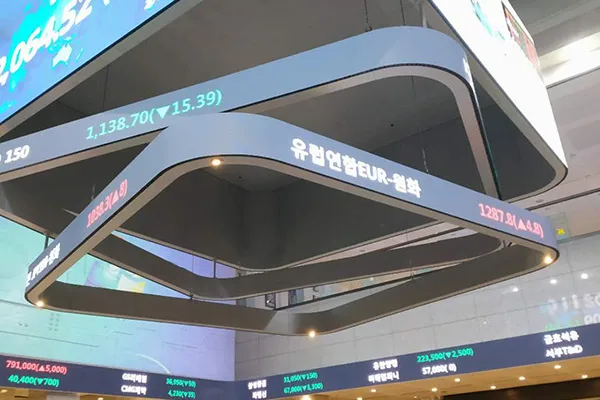
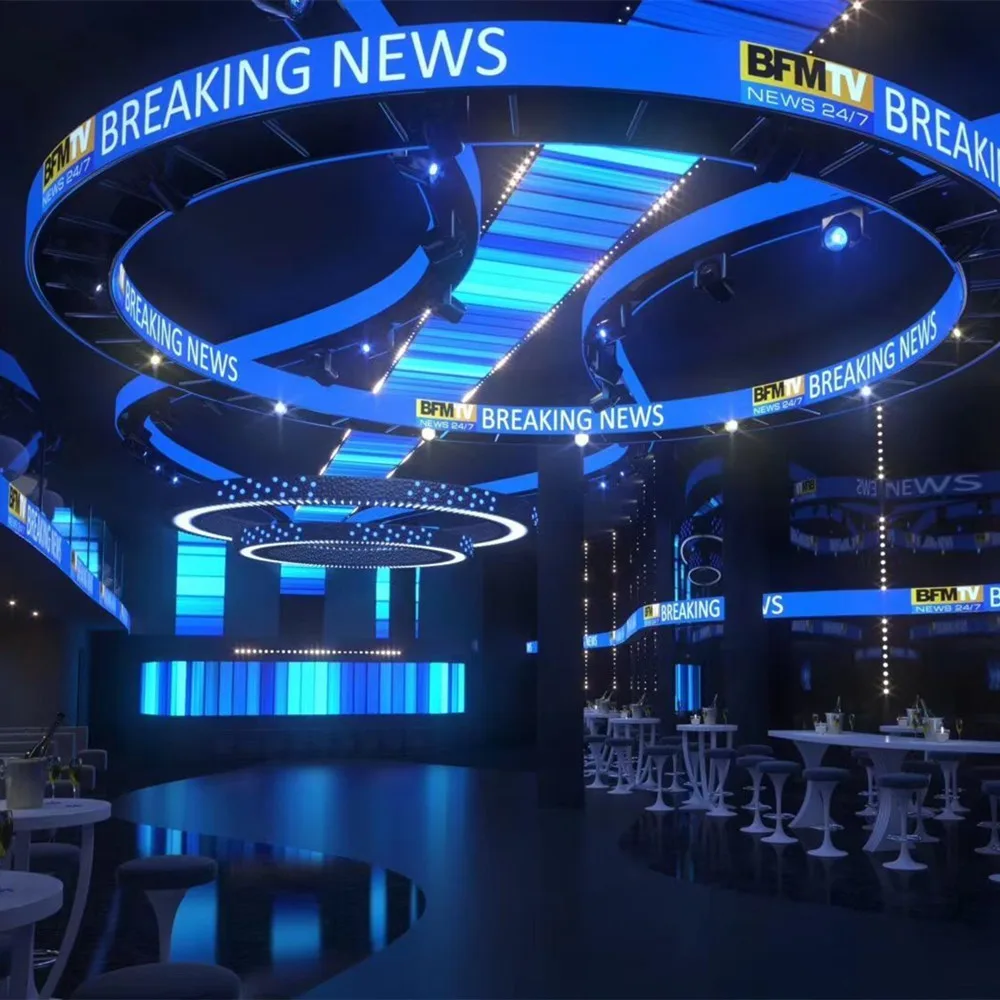
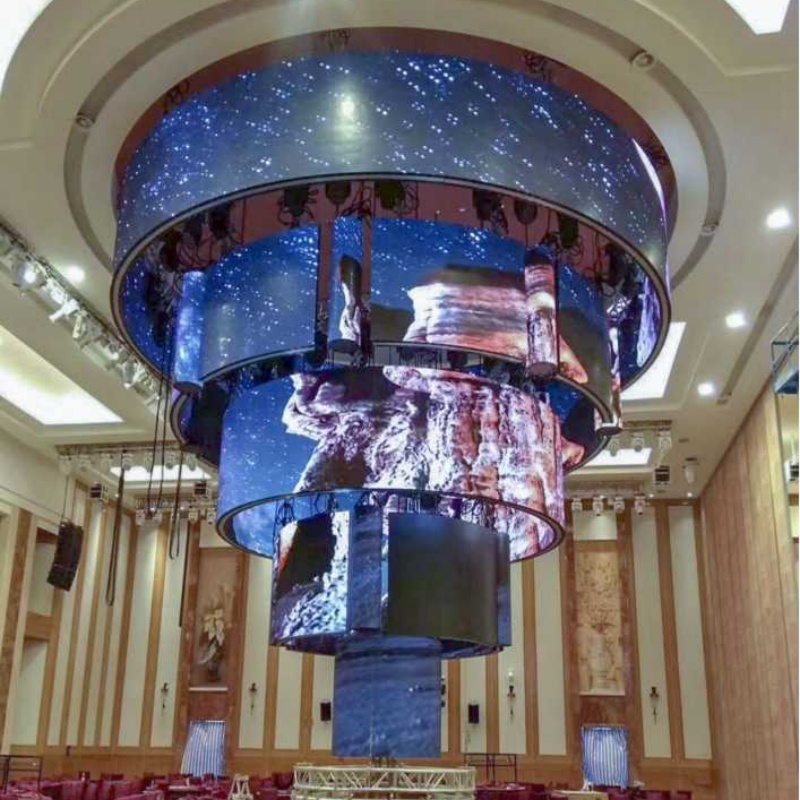
Flexible LED displays solve this problem by using soft modules that can bend and adapt to curved or uneven structures. This means architects can place digital visuals directly on columns, curved walls, or decorative structures without changing the building design. As a result, designers have more freedom to create unique spaces that combine architecture and digital content in a natural way.
Integrating Technology Without Affecting Aesthetics
In addition, architects often worry that large display screens may look out of place or damage the visual balance of a building. Flexible LED displays are designed to blend into the structure instead of appearing as an added object.
Because the modules are thin and lightweight, they can be integrated into walls, ceilings, and architectural details more easily. In many projects, the display becomes part of the building rather than a separate device. This helps maintain the original style of the space while still adding modern digital features. As a result, flexible LED displays support both creativity and visual harmony in architectural design.
Creating Dynamic Building Surfaces
Another important advantage is the ability to transform static surfaces into dynamic visual areas. Traditional building materials such as concrete, metal, or glass usually remain unchanged after construction. However, flexible LED displays allow these surfaces to display videos, animations, or visual effects without rebuilding the structure.
For example, a plain wall in a commercial building can become a digital feature wall that changes content throughout the day. During the daytime, the display may show simple branding or soft visual effects. In the evening, the same surface can display vibrant digital content that attracts attention. This flexibility allows architects and building owners to use the same space in different ways without structural changes.
Improving the Visitor Experience Inside Buildings
Flexible LED displays are also widely used in interior spaces such as shopping malls, exhibition halls, hotels, and office lobbies. These locations often need both functional information and visual impact. Instead of using traditional posters or static signs, flexible LED displays can provide clear information while improving the overall atmosphere of the space.
For example, curved LED displays in a lobby can welcome visitors with moving visuals that match the design theme of the building. In exhibition spaces, flexible screens can be installed on curved walls to create immersive visual effects. Because the displays follow the shape of the architecture, the content looks more natural and more engaging. As a result, visitors are more likely to stay longer and explore the space.
Supporting Modern Commercial Architecture
Commercial buildings today must compete for attention, especially in busy urban areas. Because of this, many architects are designing buildings that stand out visually both during the day and at night. Flexible LED displays help achieve this goal without requiring large structural changes.
For example, flexible LED modules can be installed on building facades, curved entrances, or decorative structures. Instead of adding large flat screens, designers can follow the natural shape of the building. This makes the architecture more attractive while still keeping a clean and modern appearance. As a result, flexible LED displays have become a practical solution for commercial architecture that needs both function and visual impact.
Providing Practical Benefits for Long-Term Use
Besides visual advantages, flexible LED displays also provide practical benefits for architects and building owners. The lightweight structure reduces pressure on building surfaces, which makes installation easier. In addition, modular design allows damaged sections to be replaced without removing the entire display.
This makes flexible LED displays suitable for long-term use in public buildings where reliability is important. Because the displays can operate for long periods and support easy maintenance, they are often chosen for projects that require stable performance as well as visual quality.
A Modern Tool for Future-Oriented Design
As architecture continues to evolve, digital elements are becoming part of the design process rather than something added later. Flexible LED displays support this trend by giving architects a new way to combine structure, light, and motion. Instead of treating screens as external devices, designers can integrate them into the building concept from the beginning.
Because of this, flexible LED displays are now used in commercial buildings, public spaces, and modern interior designs. They help architects create spaces that are more interactive, more visually interesting, and better suited to modern user expectations.
Conclusion
In summary, flexible LED displays enhance architectural design by supporting creative shapes, maintaining visual harmony, and turning ordinary surfaces into dynamic visual elements. They allow architects to combine technology with design in a natural and practical way while improving the visitor experience in both indoor and outdoor spaces.
HSC LED focuses on providing innovative and reliable display solutions for modern architectural projects. As an experienced LED display manufacturer, HSC LED offers flexible LED displays designed to adapt to complex structures and support creative building design. If you are planning a new project or looking to upgrade an existing space, HSC LED can help you find a flexible LED display solution that fits both your design and functional needs.